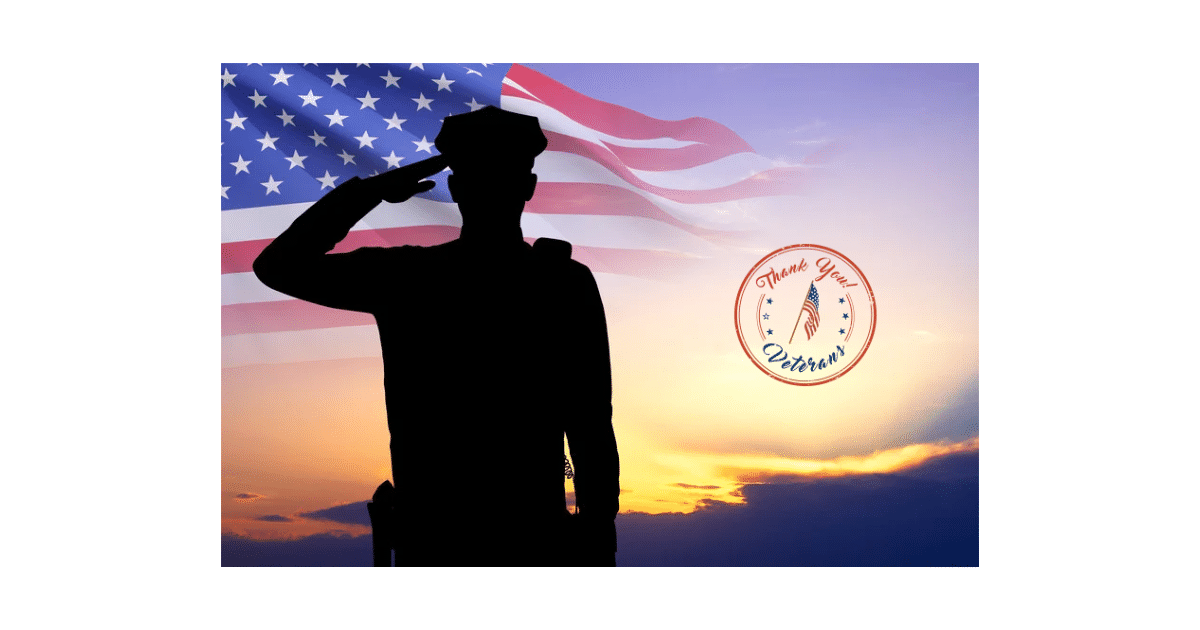
Honoring our veterans and active-duty service members should be more than a once-a-year gesture. It starts with gratitude and continues through our actions.
Every November, we take time to recognize the men and women who have served in the United States Armed Forces. Veterans Day is an opportunity to acknowledge their sacrifices, celebrate their contributions, and remember the families who serve alongside them.
But appreciation shouldn’t end on November 11.
Behind every uniform is a person with a family, health needs, personal experiences, and a life that continues long after military service ends. Some veterans face ongoing physical or psychological challenges, while active duty personnel and their families navigate deployments, demanding schedules, disrupted sleep, and time apart from loved ones.
This Veterans Day, let’s look beyond saying thank you and explore practical ways to support the health and wellbeing of those who serve.
Understanding the Health Challenges Veterans May Face
Military service can place extraordinary demands on the body and mind. Depending on their experiences, veterans may face chronic pain, musculoskeletal injuries, traumatic brain injuries, hearing loss, sleep disturbances, post-traumatic stress disorder (PTSD), depression, and anxiety.
The transition to civilian life can also bring challenges, including changes in routine, employment, social connections, and personal identity.
Research highlights the importance of social support in veteran health. Studies have associated stronger social connections with better mental health outcomes and fewer PTSD symptoms. These findings reinforce something important. The truth is, meaningful relationships, community involvement, and a sense of belonging are valuable components of overall wellbeing.
4 Practical Ways to Support Veterans’ Health
Supporting someone’s health doesn’t have to involve expensive programs or complicated gestures. Just like anyone else, veterans benefit from small, consistent actions that build up over a lifetime. Let’s talk about the foundations of health we can encourage for those who serve.
1. Movement and Physical Activity
Regular physical activity is foundational for cardiovascular health, muscular strength, mobility, and psychological wellness. For veterans managing chronic pain or previous injuries, activities should be adapted to their individual abilities.
Consider donating to or volunteering with organizations providing:
- Community walking groups and fitness programs.
- Adaptive sports and recreational activities.
- Strength training and mobility classes.
- Outdoor activities such as hiking, fishing, or gardening.
The goal is to make movement accessible, enjoyable, and sustainable.
2. Access to Nutritious Food
Food security is an important but sometimes overlooked aspect of veteran health. Research has identified food insecurity as a concern among U.S. veterans, particularly those facing economic or transportation barriers.
You can help by:
- Donating to food banks serving veterans and military families.
- Organizing grocery gift card collections.
- Preparing meals for veterans recovering from illness or surgery.
- Helping eligible veterans locate food assistance programs.
For those with reliable food access, encourage a foundation of minimally processed foods, adequate protein, vegetables, healthy fats, and sufficient hydration.
3. Sleep and Stress Management
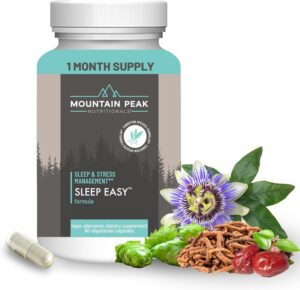 Sleep is foundational for physical recovery, cognitive function, emotional regulation, and metabolic health. However, military schedules, chronic pain, deployments, and psychological stress can make consistent sleep difficult. You may be surprised how many people don’t have a full grasp of good sleep hygiene!
We can start with:
- Encouraging healthy sleep routines
- Supporting access to appropriate medical evaluation for persistent sleep disturbances
- Making time for enjoyable activities and social connection.
Persistent nightmares, anxiety, hypervigilance, and trauma-related symptoms deserve professional attention rather than dismissal.
For veterans suffering severe, debilitating sleep disturbances, gentle reminders to see their primary care provider are a good place to start to get help.
4. Mental Health Support Access
PTSD, depression, anxiety, and other mental health concerns can affect veterans and active-duty personnel. Asking for help is not a weakness; people shouldn’t have to reach a crisis before receiving help.
You can make a difference by:
- Checking in regularly and listening without judgment.
- Avoiding assumptions about someone’s military experiences.
- Encouraging professional help when needed.
- Sharing resources such as VA mental health services and Vet Centers.
Social connection is not a replacement for professional treatment, but it can be a powerful lever to pull for recovery and long-term health.
Meaningful Ways to Honor Those Who Serve
Gratitude has more depth when we put it into action. Here are a few ways to support veterans, active-duty personnel, and their families.
For veterans in your community
- Volunteer at a local VA facility or veterans’ organization.
- Help with transportation, household repairs, yard work, or errands.
- Donate requested essentials to organizations serving homeless veterans.
- Support veteran-owned businesses.
- Visit veterans who may be socially isolated.
For active-duty service members and their families
- Prepare meals or help with childcare during deployments.
- Send approved care packages or handwritten letters. Here’s more specific information on care packages.
- Support military spouse employment and family assistance programs.
- Volunteer with organizations that provide community activities for military families.
- Remember military families during holidays and other challenging transitions.
Sometimes, simply offering practical help can relieve a significant burden.
Resources That Make It Easier to Help
You don’t have to organize a program from scratch. These established organizations offer opportunities to volunteer, donate, and connect people with assistance.
For Veterans
- Volunteer at VA facilities and explore transportation and donation opportunities: https://www.volunteer.va.gov/
- Help veterans with transportation and everyday needs: https://www.dav.org/get-involved/volunteer/
- Locate services for veterans, service members, and their families: https://nrd.gov/
- Explore available mental health care: https://www.va.gov/health-care/health-needs-conditions/mental-health/
For Active-duty Personnel and Military Families
- Volunteer to aid military personnel and their families: https://www.uso.org/take-action/volunteer
- Access confidential help, counseling resources, and family assistance: https://www.militaryonesource.mil/
- Participate in care package and letter-writing programs: https://www.operationgratitude.com/
- Support military and veteran families through community programs: https://bluestarfam.org/
For Immediate Mental Health Care
The Veterans Crisis Line offers free, confidential, 24/7 support to veterans, service members, and their loved ones.
- Call 988 and press 1.
- Text 838255.
- Connect through online chat.
You do not have to be enrolled in VA health care to use this service.
Make Gratitude a Year-Round Practice
Try adding one or more of the following actions:
- Reach out: Check in with a veteran or military family you know.
- Give your time: Volunteer with a local veterans’ organization.
- Give strategically: Donate to an established organization that directly supports veterans or military families.
- Share resources: Help others learn where to find health, food, and mental health assistance.
- Keep showing up: Make supporting those who serve part of your regular community involvement.
At Mountain Peak Nutritionals, we believe health is about more than supplements or individual wellness routines. It is also about access to nutritious food, meaningful relationships, supportive communities, and the opportunity to live a healthy and fulfilling life.
To every veteran, active-duty service member, and military family: thank you for your service, your sacrifices, and the many ways you continue to contribute to our communities.
Your service deserves more than a thank you. It deserves our ongoing respect, support, and action.
Frequently Asked Questions
When Is Veterans Day Observed?
Veterans Day is observed annually on November 11 and honors all U.S. military veterans who have served, during wartime or peacetime.
What Is the Difference Between Veterans Day and Memorial Day?
Veterans Day honors all military veterans, while Memorial Day specifically commemorates those who died while serving their country.
What Are Some Impactful Ways to Honor a Veteran?
Volunteer at a VA facility, support veteran-owned businesses, donate to reputable organizations, help with everyday responsibilities, or simply check in and offer your time.
How Can I Support Active-duty Military Members?
Consider volunteering with the USO or Operation Gratitude, sending approved care packages, and helping military families manage the demands of deployment and separation.
What Health Challenges Can Veterans Experience?
Depending on their military experiences, veterans may face chronic pain, physical injuries, traumatic brain injuries, sleep disturbances, PTSD, depression, and anxiety. Appropriate medical care, nutrition, physical activity, and social support can contribute to overall wellbeing.
Where Can Veterans Find Mental Health Care?
Veterans can access mental health services through the VA and Vet Centers. The Veterans Crisis Line provides free, confidential support 24 hours a day at 988 (press 1), by texting 838255, or through its online chat.
References
- Kamdar N, Khan S, Brostow DP, et al. Association between modifiable social determinants and mental health among post-9/11 Veterans: A systematic review. Journal of Military, Veteran and Family Health. 2023;9(3):8–26.
https://doi.org/10.3138/jmvfh-2022-0025 - Stevelink SAM, et al. Self-reported PTSD symptoms and social support in U.S. military service members and veterans: A meta-analysis.
https://pubmed.ncbi.nlm.nih.gov/34992740/ - Gettings S, Kirtley OJ, Wilson-Menzfeld G, et al. Exploring the Role of Social Connection in Interventions With Military Veterans Diagnosed With Post-traumatic Stress Disorder: Systematic Narrative Review. 2022.
https://pubmed.ncbi.nlm.nih.gov/35874405/ - Physical Exercise as Treatment for PTSD: A Systematic Review and Meta-Analysis. Military Medicine. 2022;187(9–10)–e1110.
https://academic.oup.com/milmed/article/187/9-10/e1103/6444244 - Robbins R, Starr KNP, Addison O, et al. Prevalence and socio-economic determinants of food insecurity in Veterans: Findings from National Health and Nutrition Examination Survey. Public Health Nutrition.
https://doi.org/10.1017/S1368980023000538 - Cypel YS, Katon JG, Schure MB, Smith S. Food Insecurity in US Military Veterans. Food and Nutrition Bulletin. 2020;41(4):399–423.
https://doi.org/10.1177/0379572120963952 - Gnall KE, Sacco SJ, Sinnott SM, et al. Physical activity, posttraumatic stress, and gender: A longitudinal study of post-9/11 veterans. Journal of Health Psychology.
https://doi.org/10.1177/13591053241233380