
Discover how insulin sensitivity, whole foods nutrition, exercise, sleep, and other lifestyle factors may influence breast cancer risk and what we can do about it.
This October is the 41st anniversary of National Breast Cancer Awareness Month, so let’s talk about it. Breast cancer has many contributing factors, including age, genetics, hormonal exposure, and lifestyle. Emerging research also highlights a relationship between metabolic dysfunction, insulin resistance, chronic inflammation, and breast cancer, particularly after menopause.
Although no natural approach guarantees prevention, maintaining healthy blood sugar regulation, eating nutrient-dense foods, exercising regularly, limiting alcohol, and maintaining a healthy weight may help address risk factors that we can control ourselves. No matter what we do to maintain our health, regular screening and individualized risk assessment remain essential.
Metabolic Health: An Important Piece of Breast Cancer Prevention
When we think about breast cancer prevention, we often focus on genetics, hormones, and family history. But another area deserves attention: metabolic health.
Metabolic health refers to how effectively the body regulates blood sugar, responds to insulin, manages blood fats, and maintains healthy physiological function.
Insulin resistance occurs when cells become less responsive to insulin, the hormone that helps move glucose from the bloodstream and puts it into cells. The body may compensate by producing more insulin, eventually contributing to elevated blood sugar and, in some people, type 2 diabetes. This process is largely preventable through lifestyle choices.
Research suggests that insulin resistance and metabolic syndrome are associated with worse breast cancer risk and outcomes. A systematic review and meta-analysis of 25 studies involving nearly 393,000 women found an association between metabolic syndrome and increased breast cancer risk, particularly among postmenopausal women. Another systematic review examined the relationship between insulin resistance and breast cancer risk and prognosis.
Researchers are investigating several possible explanations:
- Insulin and growth signaling: Elevated insulin levels may influence cellular pathways involved in cancer cell growth and proliferation.
- Hormonal changes: After menopause, adipose tissue becomes an important source of estrogen. Excess body fat may increase estrogen exposure.
- Chronic inflammation: Metabolic dysfunction and excess visceral fat can contribute to inflammatory signaling that may negatively influence the cellular environment.
- Altered metabolic signaling: Changes in insulin-like growth factor (IGF) signaling and other metabolic pathways may affect how cells grow and function.
These mechanisms make sense biologically, but the evidence does not establish that insulin resistance directly causes breast cancer or that reversing insulin resistance prevents it. Metabolic health evidently contributes to multiple poor health outcomes though, so improving metabolic health is worth our time, regardless of whether studies have proven the link or not.
Breast Cancer Risk-Reduction Action Plan
You cannot control every factor that influences breast cancer risk, including age, genetics, and family history. However, you can take practical steps to support metabolic health and reduce certain modifiable risk factors. Start with the habits you can sustain consistently.
Your Daily Checklist
- Build meals around whole foods. Prioritize protein, non-starchy vegetables, fiber-rich foods, nuts, seeds, and healthy fats. Avoid ultra-processed foods and sugar-sweetened beverages.
- Support healthy blood sugar regulation. Incorporate protein, fiber, and healthy fats into meals. If you have prediabetes, diabetes, or concerns about insulin resistance, work with your healthcare practitioner on an individualized plan.
- Move your body. Aim for at least 150 minutes of moderate-intensity physical activity each week, along with resistance training on two or more days when appropriate. Walking after meals is a simple way to increase daily movement.
- Limit or avoid alcohol. Alcohol consumption is an established, modifiable breast cancer risk factor. Less alcohol generally means lower alcohol-related risk.
- Prioritize sleep and recovery. Maintain a consistent sleep schedule and address persistent sleep problems. These habits support overall metabolic health, although their independent effects on breast cancer prevention are less certain.
- Avoid smoking and seek help quitting if needed. Not smoking supports overall cancer prevention and long-term health.
Your Preventive Healthcare Checklist
- Review your personal risk factors. Discuss your family history, age, previous tests and screenings, breast density, and any known inherited genetic variants with your healthcare provider.
- Follow an appropriate breast cancer screening plan. For average-risk women, the U.S. Preventive Services Task Force recommends mammography every two years from ages 40 through 74. Higher-risk individuals may need a different approach. Talk to your provider to determine your plan.
- Know when to seek evaluation. Report a new breast lump, nipple changes or discharge, skin dimpling, or another persistent breast change promptly rather than waiting for your next screening appointment. If you don’t know how to do self-exams, check out this resource for more information. Remember that self-exams are not a replacement for regular medical screening.
- Check metabolic health when appropriate. Depending on your risk factors, discuss blood pressure, waist circumference, blood glucose or HbA1c, and cholesterol with your healthcare practitioner. These measurements help assess cardio-metabolic health; they are not breast cancer screening tests.
- Review medications and supplements. Discuss your personal risk and benefits with your clinician if you use menopausal hormone therapy or are considering supplements marketed for cancer prevention. Do not stop prescribed medication without medical guidance.
Eat Whole Foods to Support Metabolic Health
A nutrient-dense dietary pattern can help support blood sugar regulation, healthy body composition, and adequate nutrient intake. By focusing on whole, nutritious foods, we naturally reduce the amount of ultra-processed and sugary foods we would otherwise crave.
Build meals around:
- Complete Proteins: Eggs, fish, poultry, lean meats, dairy products.
- Healthy fats: Extra-virgin olive oil, avocados, nuts, seeds, and fatty fish.
- Vegetables: Leafy greens, broccoli, cauliflower, cabbage, and other colorful, non-starchy produce.
- Fiber-rich foods: Vegetables, berries, legumes, beans, nuts, seeds, and small amounts of whole grains, according to your dietary needs.
- Focus on whole foods: Reduce ultra-processed foods, sugary drinks, and excess refined carbohydrates. The goal is to improve overall dietary quality rather than fear individual foods.
Get Enough Vitamins and Minerals
Vitamins and minerals support normal cellular function, antioxidant defenses, and immune health. Adequate intake is important, but taking extra nutrients does not necessarily provide additional protection against cancer.
Nutrients worth discussing with your healthcare provider include:
- Vitamin D3: Important for bone health and normal immune function. Supplementation has not been established as a breast cancer prevention strategy. Pair with vitamin K2-MK7 for best results.
- Vitamin C: Supports collagen formation and normal immune function.
- B vitamins: Support DNA synthesis and cellular metabolism. People with the common genetic defect known as MTHFR need to take methyl-B12 and methyl-folate in order to get adequate absorption. Talk to your doctor about testing your levels to find out if you would benefit.
- Zinc: Contributes to normal immune function. Too much zinc supplementation without adequate copper to balance can be harmful, but zinc-rich foods contain both zinc and copper, so opting for those is helpful.
- Magnesium: Involved in hundreds of cellular processes in the body. Magnesium has many supplemental forms, some better than others.
- Selenium: Supports antioxidant enzymes and thyroid health, but excessive intake can be harmful. Getting it from Brazil nuts can be a great alternative to supplementation. Ensure overall intake does not exceed 200 mcg per day from all sources.
- Prioritize food sources and correct documented deficiencies when appropriate. High-dose supplements should not be used as substitutes for evidence-based prevention or medical care. In other words, you can’t supplement your way out of an unhealthy lifestyle.
Exercise to Improve Metabolic Health
Regular physical activity is associated with lower breast cancer risk and can improve insulin sensitivity, support muscle mass, and help maintain a healthy weight.
For most adults, a reasonable goal is:
- At least 150 minutes of moderate aerobic activity each week.
- Strength training at least twice weekly.
- Regular movement breaks during prolonged sitting.
Walking after meals, cycling, swimming, and resistance training are practical ways to build activity into daily life. You do not need an extreme exercise program. Consistency and activities you can sustain are more important.
Prioritize Sleep and Manage Stress
When it comes to metabolic health, sleep and stress affect how we feel, how we behave, and how our body operates. Poor sleep can make blood sugar regulation, appetite management, and healthy weight maintenance more difficult.
Try to get seven to nine hours of sleep per night, maintain a consistent sleep schedule, and seek evaluation for persistent insomnia or suspected sleep apnea.
Stress management can also help support emotional wellbeing and healthy routines. Walking outdoors, meditation, prayer, slow breathing, and maintaining supportive relationships are helpful, practical options.
While sleep and stress management are seriously important, note that a direct causal relationship between psychological stress and breast cancer has not been established in the literature.
Limit Alcohol and Maintain a Healthy Weight
Alcohol consumption is associated with increased breast cancer risk, with risk generally increasing as consumption rises. Avoiding alcohol is the most straightforward way to minimize this exposure.
Excess body fat, particularly after menopause, is also associated with increased breast cancer risk. Adipose tissue contributes to estrogen production and can influence inflammatory and metabolic signaling. Visceral fat (the fat under the abs that makes for a big belly) is the most dangerous fat of all and can be reduced by working on lifestyle factors discussed in this article. Talk to your healthcare provider for your specific plan.
Remember that breast cancer can occur in people who maintain healthy lifestyles. Prevention is about reducing risk, not assigning blame.
Are There Medicinal Herbs That Help Reduce the Risk of Cancer?
The most promising herbs in cancer research include turmeric, green tea, astragalus, and medicinal mushrooms. They contain compounds being investigated for their effects on inflammation, oxidative stress, and immune function. Even though we have more information than in the past, there is currently insufficient clinical evidence to conclude that these herbs directly reduce breast cancer risk in humans.
The main risk for patients using these herbs is not that they are necessarily dangerous, but that patients will try to use these herbs in place of regular screenings or other risk prevention strategies. This can unfortunately lead to later diagnosis and worse outcomes in breast cancer and other terminal illnesses.
Important note: concentrated herbal supplements can interact with medications, including hormonal therapies and cancer treatments. Discuss their use with a qualified healthcare professional, particularly if you have a personal history of cancer.
How Does Mountain Peak Nutritionals Glycemic Formula Support Wellness?
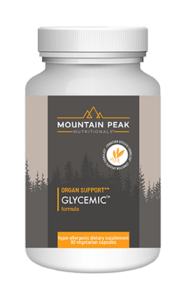 Mountain Peak Nutritionals’ Glycemic formula combines bitter melon, Gymnema sylvestre, alpha-lipoic acid, chromium, and essential minerals to support healthy blood sugar regulation and glucose metabolism. Research on several of these ingredients suggests potential benefits for glycemic control and insulin-related metabolic markers, although results vary and further research is needed.
This formula may offer complementary support alongside a whole foods diet, appropriate carbohydrate restriction, regular physical activity, and other metabolic-health strategies.
Important: Because some ingredients may affect blood glucose, individuals taking glucose-lowering medications should consult their healthcare practitioner before use.
Always consult a healthcare professional before using supplements, especially if you take prescription medications, have a chronic health condition, or have a history of cancer.
Consult with your healthcare professional for the proper use of this formula.
Regular Breast Cancer Screening Matters
Lifestyle changes can help address modifiable risk factors, but they cannot replace screening or individualized risk assessment.
The U.S. Preventive Services Task Force recommends mammograms every two years for women ages 40–74 at average risk. People with a strong family history, inherited genetic risk, or a personal history of breast cancer may need a different screening plan.
Discuss your individual risk with your healthcare professional. Seek prompt evaluation for a new breast lump, skin dimpling, nipple changes, bloody discharge, or another unexplained breast change.
What Else You Can Do…
Sharing information about breast cancer is what National Breast Cancer Awareness Month (BCAM) is all about. According to the National Breast Cancer Foundation, since 1985, BCAM has expanded across the nation and world, with a focus on promoting early detection, reducing stigma around breast cancer, and supporting patients and survivors.
Since the first BCAM more than 40 years ago, breast cancer death rates in the U.S. have dropped by 44%. It’s not a coincidence that greater awareness, increases in early detection, and advancements in treatment have coincided with the rise of BCAM. These efforts show that when we raise awareness, we can save lives. https://www.nationalbreastcancer.org/early-detection-of-breast-cancer/
In light of this, please share this article with others and keep breast cancer awareness alive so women can keep getting the care they need and we can continue reducing the deaths of the women we love.
Medical Disclaimer: This article is for educational purposes only and is not a substitute for individualized medical advice, diagnosis, or treatment. No dietary pattern, supplement, or lifestyle practice guarantees breast cancer prevention. Consult a qualified healthcare professional about your personal risk, screening schedule, and supplement safety.
Frequently Asked Questions
Is there a guide I can use for early breast cancer detection?
Yes! Check out this guide from the National Breast Cancer Foundation.
Should I get regular mammograms?
For women at average risk, the USPSTF recommends mammograms every two years from ages 40 through 74. Screening recommendations may differ for people with elevated risk. Discuss your personal risk, screening options, and preferences with your healthcare professional.
Do mammograms have false positives?
Yes. A false-positive result occurs when a mammogram appears abnormal but follow-up testing does not find cancer. This can lead to additional imaging, biopsies, anxiety, and expense. False positives are common enough to be an important screening consideration, particularly with repeated screening. Your healthcare provider knows this and is equipped to set you up with further testing to ensure that a false positive doesn’t turn into unnecessary treatment. And you can always get second opinions from other licensed medical doctors or an oncologist if you’re uncomfortable.
Do mammograms increase the risk of developing breast cancer?
Mammograms use a small amount of ionizing radiation, which carries a theoretical cancer risk. However, radiation exposure from routine mammography is low, and the risk attributable to screening is considered very small. For most women in recommended screening age groups, the benefits of early detection outweigh this potential harm.
Can metabolic health influence breast cancer risk?
Research has found associations between insulin resistance, metabolic syndrome, and breast cancer risk, particularly after menopause. Insulin signaling, inflammation, and estrogen production are possible contributing mechanisms. However, more research is needed to establish causation and determine whether improving metabolic health directly reduces breast cancer incidence.
Can a ketogenic diet help reduce the risk of breast cancer?
A ketogenic diet may help some people improve insulin sensitivity and manage weight, but it has not been established as a breast cancer prevention strategy. A sustainable, nutrient-dense dietary pattern that supports metabolic health is the priority, and some people find a ketogenic diet to be helpful and sustainable for them. Talk to your healthcare provider to determine the right plan for you.
Are there medicinal herbs that help reduce the risk of cancer?
Turmeric, green tea, astragalus, and medicinal mushrooms are being studied for potentially beneficial biological effects. In studies, turmeric has been the most promising. However, current human evidence is insufficient to establish that these herbs reduce breast cancer risk. The main issue with relying on herbal supplements for prevention is that many people believe they no longer require regular screening, which simply isn’t true. Early detection through regular screening is one of the first lines of defense to prevent death from breast cancer.
Can vitamins or supplements prevent breast cancer?
No vitamin, mineral, herb, or dietary supplement has been established as a reliable stand-alone method of preventing breast cancer. Correcting nutritional deficiencies can support general health, but high-dose supplementation should not replace evidence-based prevention.
References
- Srinivasan M, Arzoun H, GK LB, Thangaraj SR. A Systematic Review: Does Insulin Resistance Affect the Risk and Survival Outcome of Breast Cancer in Women? 2022;14(1). Read the full peer-reviewed article.
- The Metabolic Syndrome Is a Risk Factor for Breast Cancer: A Systematic Review and Meta-Analysis. Read the peer-reviewed study.
- Association Between Metabolic Syndrome and Breast Cancer Risk: An Updated Meta-Analysis of Follow-Up Studies. Read the peer-reviewed study.
- Harborg S, Larsen HB, Elsgaard S, Borgquist S. Metabolic Syndrome Is Associated With Breast Cancer Mortality: A Systematic Review and Meta-Analysis. Journal of Internal Medicine. 2025. Read the peer-reviewed study.
- National Cancer Institute. Breast Cancer Prevention. Read the evidence-based overview.
- Graf C, Wessely N. Physical Activity in the Prevention and Therapy of Breast Cancer. Breast Care. 2010;5(6):389–394. Read the full article.
- Küpeli Akkol E, et al. Herbal Ingredients in the Prevention of Breast Cancer: Comprehensive Review of Potential Molecular Targets and Role of Natural Products. Read the peer-reviewed review.
- S. Preventive Services Task Force. Screening for Breast Cancer: Recommendation Statement. JAMA. 2024;331(22):1918–1930. Read the screening recommendation.
- National Cancer Institute. Breast Cancer Screening: Benefits and Harms. Read the clinical evidence review.
- National Cancer Institute. Breast Cancer Prevention (PDQ®), Health Professional Version. Review risk factors and prevention evidence.
Medical Disclaimer: This article is for educational purposes only and is not a substitute for individualized medical advice, diagnosis, or treatment. No dietary pattern, supplement, or lifestyle practice guarantees breast cancer prevention. Consult a qualified healthcare professional about your personal risk, screening schedule, and supplement safety.