How to Evaluate Supplement Quality
A Practical Guide to Practitioner-Grade Formulations vs. Lower-Quality Options
The supplement industry is crowded with thousands of products that often appear similar at first glance. Labels may use comparable language, marketing claims may be convincing, and price differences are not always easy to understand.
Yet, supplement quality can vary drastically from one brand to the next.
That’s because ingredient sourcing, manufacturing standards, formulation decisions, and so much more can influence the consistency, purity, and overall quality of a supplement.
Here’s why, with helpful answers regarding:
- What Does Supplement Quality Actually Mean?
- Key Factors in Evaluating Supplement Quality
- Practitioner-Grade Supplements vs. Mass-Market Supplements
- Understanding Ingredient Forms & Bioavailability
- Why Third-Party Testing Matters
- Common Supplement Red Flags
- Questions to Ask Before Purchasing Supplements
- The Role of Educational Content in Supplement Transparency
- Supplement Delivery Methods: Capsules, Powders & Liquids
- Why Quality Standards Matter Long-Term
- FAQs
Understanding how to evaluate supplement quality can help you identify the best products for your needs while providing greater confidence that you’re investing in supplements designed with quality, transparency, and formulation integrity in mind.
What Does Supplement Quality Actually Mean?
Supplement quality is not determined by a single factor. Instead, it is typically influenced by a combination of practices, ingredient standards, formulation choices, testing procedures, and transparency.
High-quality supplements are often designed with greater attention to:
- Ingredient identity and purity
- Consistency between batches
- Bioavailability considerations
- Manufacturing controls
- Accurate labeling practices
- Stability and shelf-life standards
- Quality assurance procedures.
By contrast, lower-quality supplements may prioritize cost reduction over formulation quality, ingredient sourcing, or manufacturing consistency.
3 Key Factors in Evaluating Supplement Quality
Supplements with similar labels or marketing language can differ substantially in terms of formulation quality, ingredient sourcing, manufacturing standards, transparency, and testing procedures.
To translate the lingo into a clear quality assessment, here are some essential factors to consider before you buy or start taking a supplement or vitamin. Looking at these details can help you start to figure out which options are high-quality supplements and which ones are not.
Ingredient sourcing refers to where raw materials originate and how they are selected before being incorporated into a formulation.
Higher-quality supplement manufacturers often place greater emphasis on:
- Supplier qualification processes
- Ingredient traceability
- Purity standards
- Raw material consistency
- Contaminant screening
Ingredient sourcing can become especially important for botanical ingredients, minerals, probiotics, and specialty compounds where quality variations may exist between suppliers.
Manufacturing quality plays a major role in supplement consistency and safety procedures.
Consumers may want to look for supplements manufactured in facilities that follow:
- Current Good Manufacturing Practices (cGMPs)
- Quality control procedures
- Batch testing protocols
- Ingredient verification processes
- Sanitation and contamination controls
These standards can help support product consistency and manufacturing oversight.
Transparent labeling can help consumers better understand what they are purchasing.
Clear supplement labels often include:
- Exact ingredient amounts
- Specific ingredient forms
- Serving size details
- Allergen disclosures
- Other inactive ingredients or excipients
By comparison, vague proprietary blends or incomplete labeling may make it difficult to evaluate the actual formulation.
Practitioner-Grade Supplements vs. Mass-Market Supplements
Not all supplements are formulated using the same standards or intended distribution models.
Practitioner-grade supplements are often distributed through healthcare practitioners, wellness clinics, or specialized resellers that emphasize formulation quality, ingredient education, and professional guidance.
Differences Between Practitioner-Grade & Mass-Market Supplements
| Consideration | Practitioner-Grade Supplements | Typical Mass-Market Supplements |
|---|---|---|
| Ingredient Selection | Often emphasizes formulation quality and ingredient specificity | Often optimized heavily for price competitiveness |
| Distribution Model | Frequently sold through practitioners or specialized channels | Widely distributed through large retail channels |
| Label Transparency | Often more detailed and formulation-focused | Can vary significantly |
| Manufacturing Oversight | Often emphasizes stricter quality control standards | Standards vary by manufacturer |
| Consumer Education | Typically paired with educational support | Often marketing-focused |
Please be aware that:
- Price differences alone do not automatically determine supplement quality.
- Lower-cost products may sometimes use less expensive ingredient forms, simplified formulations, or reduced testing procedures to achieve lower retail pricing.
Explore Patient-Focused Resources from Mountain Peak Nutritionals

Graceful Aging: Practical Strategies For Longevity And Lifelong Wellness
August is National Wellness Month, making it the perfect time to think beyond short-term health goals and focus on something that matters at every stage of adulthood: how to age gracefully. Graceful aging is not about trying to stop the clock. It’s really about preserving strength, mobility, cardiovascular health, cognitive function, independence, and quality of […]

How to Choose the Right Digestive Enzyme Supplement
More enzymes do not necessarily make a better digestive enzyme supplement. What matters is whether a formula contains thoughtfully selected enzymes in meaningful activity levels and whether its intended use fits your needs. This guide explains what to look for, what to question, and how to compare digestive enzyme supplements with confidence, with more on: […]

Love Your Liver: 7 Practical Ways to Improve Liver Health Naturally in 2026
Discover how to support liver health this summer. Learn about NAFLD, viral hepatitis prevention, best foods, supplements like milk thistle, and simple lifestyle tips backed by science.
Understanding Ingredient Forms & Bioavailability
The specific form of an ingredient can influence how a formulation is designed and utilized.
For example, certain vitamins and minerals may exist in multiple forms with different characteristics related to:
- Solubility
- Stability
- Digestive tolerance
- Delivery method compatibility
- Bioavailability considerations
Common Examples of Different Ingredient Forms
| Ingredient Category | Available Forms |
|---|---|
| Magnesium | Glycinate, citrate, oxide, malate |
| Vitamin B12 | Methylcobalamin, cyanocobalamin |
| Calcium | Citrate, carbonate |
| Iron | Bisglycinate, sulfate |
Understanding ingredient forms can provide greater insight into how supplements differ in ways that may not always be obvious from marketing claims alone.
Why Third-Party Testing Matters
Third-party testing can provide additional quality verification beyond internal manufacturing procedures. Depending on the manufacturer, testing may involve evaluation for:
- Identity verification
- Potency confirmation
- Heavy metals
- Microbial contaminants
- Purity standards
- Stability testing.
While testing standards can vary, independent verification may help support consistency and transparency.
Common Supplement Red Flags
As you evaluate supplement quality, exercise caution with products that rely heavily on:
- Unrealistic marketing claims
- “Miracle cure” language
- Extremely vague ingredient labeling
- Excessive proprietary blends without transparency
- Unverified health promises
- Lack of manufacturing information
- No visible contact or company information
- Unusually low pricing compared to comparable formulations
These types of red flags may indicate limited transparency, lower formulation standards, or marketing practices that prioritize sales messaging over clear, reliable product information.
Important Consumer Reminder ⚠️
Dietary supplements are not intended to diagnose, treat, cure, or prevent diseases. Consumers should be cautious of companies making exaggerated medical claims or promising guaranteed outcomes.
Questions to Ask Before Purchasing Supplements
Asking a few thoughtful questions as you shop for supplements can help you find high-quality vitamins and supplements.
7 Helpful Questions to Consider
- Does the label clearly identify ingredient amounts and forms?
- Is the manufacturer transparent about sourcing or quality standards?
- Are manufacturing practices discussed openly?
- Is there evidence of quality control or testing procedures?
- Does the company provide educational information about formulations?
- Are claims balanced and responsible, rather than exaggerated?
- Is the supplement distributed through trusted channels, like licensed healthcare practitioners?
These answers to these questions can reveal more about supplement transparency and overall formulation philosophy.
The Role of Educational Content in Supplement Transparency
Educational content can pull the curtain back on how supplement companies approach formulation quality and consumer communication.
With that, the brands that invest in educational resources often provide additional information regarding:
- Ingredient functions
- Formulation decisions
- Delivery methods
- Usage considerations
- Product categories
- General wellness support strategies
Brands that prioritize consumer education often provide greater insight into the standards, formulation approaches, and considerations behind their supplement lines.
Supplement Delivery Methods: Capsules, Powders & Liquids
Ingredients alone do not define supplement quality. Delivery methods can also play a pivotal role in formulation design, convenience, serving flexibility, ingredient capacity, and overall user preference.
Depending on the supplement category and intended use, capsules, powders, and liquid formulations may each offer distinct advantages and considerations.
General Comparison of Common Delivery Methods
| Delivery Method | Potential Advantages | General Considerations |
|---|---|---|
| Capsules | Convenient, portable, easy dosing | May contain fewer ingredients due to capsule size limitations |
| Powders | Flexible serving sizes, larger ingredient capacity | Preparation required |
| Liquids | Rapid delivery format, easy swallowing | Stability and storage considerations may differ |
No single delivery method is universally “best” in every situation. Overall supplement quality still depends heavily on ingredient sourcing, formulation standards, manufacturing practices, and the specific goals of the product itself.
Why Quality Standards Matter Long-Term
For many consumers, supplement use can become part of a broader long-term wellness strategy. Consequently, formulation consistency, manufacturing oversight, and transparency may become increasingly important considerations over time.
Choosing high-quality supplements is often less about finding a “perfect” product and more about understanding the standards, practices, and formulation philosophies behind what appears on the label.
Supplement Quality FAQs
Understanding supplement quality can raise important questions about what separates one supplement from another. These FAQs address several common questions that can arise when consumers are evaluating supplements and wellness products.
High-quality supplements are often associated with transparent labeling, strong manufacturing standards, ingredient sourcing practices, quality control procedures, and consistent formulation standards.
Practitioner-grade supplements are typically formulations distributed through healthcare practitioners, wellness clinics, or specialized reseller networks that emphasize formulation quality and educational support.
No, not necessarily. Higher pricing alone does not guarantee quality.
However, formulation standards, ingredient sourcing, testing procedures, and manufacturing practices may contribute to cost differences between products.
Some vitamins, minerals, and nutrients exist in multiple forms with different characteristics related to stability, digestive tolerance, solubility, and formulation design. That can significantly influence how a supplement is formulated, utilized, and positioned within different product categories.
Proprietary blends combine multiple ingredients under a single formula without disclosing the exact quantity of each individual ingredient.
Manufacturers sometimes use proprietary blends to protect formulation strategies or ingredient combinations they consider unique to a product.
Proprietary blends are common in the supplement industry.
Third-party testing may provide additional quality verification regarding identity, potency, purity, and manufacturing consistency.
Making More Informed Supplement Decisions
Choosing supplements is not always as simple as comparing labels or selecting the lowest-priced option.
Differences in formulation philosophy, ingredient sourcing, manufacturing oversight, and transparency standards can all contribute to meaningful distinctions between products.
As supplement education becomes increasingly accessible, consumers are also becoming more intentional about evaluating the:
- Companies
- Standards
- Formulation approaches behind the products they purchase.
Taking the time to look beyond marketing claims and better evaluate supplement quality can help you make more confident purchasing decisions that align more closely with your wellness priorities, expectations, and long-term health goals.
Reviews & Testimonials
Check out some of our recent reviews to see what our customers have said about our vitamins, supplements, and customer service.
"Outstanding customer service and an even better product! I confidently recommend Mountain Peak Nutritionals to my own friends and family. In an industry where many major supplement companies sacrifice quality for quantity after being acquired by larger corporations, Mountain Peak stands apart. Their unwavering commitment to premium, effective products ever wavers—and to top it off, they're a local company too!"
— Brandon McCuistion
NW Injury & Rehab Center, P.S.
"The Energy Formula drink is so good! The orange flavor tastes great and has a slight fizz with it. I love sipping on it in the morning and it has now replaced my 2nd and 3rd cups of coffee. I am very pleased because it doesn't give you the typical "jittery" energy that other drinks do - it provides more of an even/steady energy along with multi-vitamin/minerals. I also feel completely safe letting my teenage daughters drinking it vs. the other drinks that are on the market."
— Kellie Peotter
"I've tried several of Mountain Peak's supplements and I think my favorites are their energy formula, the multi-vitamin, and sleep easy. I feel so much better using these three supplements consistently, and I'm excited to try others! As a personal trainer and gym owner, I'm picky about the companies I work with. I proudly display Mountain Peak's supplements in my gym because they're a solid company with quality products. 10/10 recommend. I'm a believer!"
— Erin Live Fit
"Mountain Peak Nutritionals Energy Formula is ABSOLUTELY AMAZING!! It gives me the extra boost I need when I am working out and find my workouts to be that much better. I lift heavier and last longer doing cardio. It is a total bonus packed full with a multivitamin as well. I have tried so many other energy drinks and this is by far the best without all the added ingredients. It only has ~15 grams of caffeine which I also love. If you haven’t tried it yet it’s a must!! I use other Mountain Peak products and CANNOT say enough about this brand!!"
— Conor Noonan
"I have been looking for a good calcium supplement and tried Mountain Peak Nutritionals Osteo. I LOVE it! My body does well with it and it makes me stronger! Since then, I have decided to try several of their other supplements. Mountain Peak Nutritionals has high quality supplements not filled with junk or fillers. They are great! I have enjoyed "Sleep Easy" a lot as well!"
— Alice C. Terry
"The Memory formula is great for eliminating brain fog. Focus much better than fog."
— Michael Swanick
"The Mountain Peak Energy Formula is outstanding!. Really helps with recovery from my workouts. I have tried other products on the market but none has all of the nutrients contained in the Energy Formula."
— Chuck Heimerdinger
"Great local business with great owners and products. All of their supplements are made for doctor clinics so they are potent and of the highest quality. I really enjoy the Energy Formula, Sleep Easy and the Tranquility."
— Travis Colson
"I have always struggled with anxiety a lot, and I've been taking MPN's Tranquility supplement for about two months now and I've noticed a CONSIDERABLE difference in my ability to manage my anxiety as well as functionality while I am anxious. Great product, and it doesn't make me feel numb either, like most drug store medications."
— Te'aMarie Kovalik
"I've used Mountain Peak nutritionals for several years. I am pleased with the quality and prompt delivery. I am a type II diabetic and the glycemic formula has worked well to help me keep my blood sugars in line..I've used several others as well with good results! I have recommended them to family and friends."
— Virginia Kadera
"We love the Mountain Peak Ultra High Multivitamin and have been getting them for many years. We never want to run out because they have made such a difference on how we feel. Thank you, Mountain Peak."
— Gail Louise
"I started taking the women's vitality supplement and it was making such a difference in my hair health, nail growth, skin health and just an overall healthy energy, not extreme just no energy plunges. Great product!!"
— Mitzi Kovalik
"I’ve been using glycemic for approx. two months, and my A1c has gone down two points. Great product. I will continue to order it."
— Kim Lordan
"Great company, great formulas. As a midwife, I feel confident recommending these products to my clients, family, and friends. Awesome customer service too."
— Jewel Brighten
"These are all highly quality products. I've used the Ultra High Multivitamin for years, it was recommended by a Naturopathic doctor at the NUNM."
— Michael Hill
— Deep Roots Family Medicine
Explore Our Most Popular Supplements & Vitamins
-

Tranquility™
$50.49 — or subscribe to save 10% Add to cart -
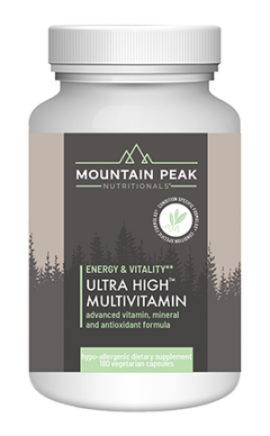
Ultra High™ Multivitamin
$56.99 — or subscribe to save 10% Add to cart -
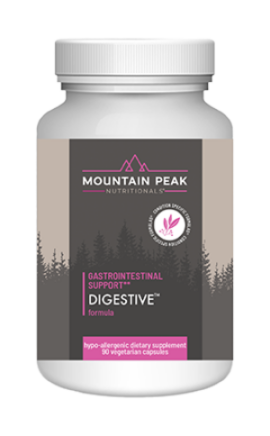
Digestive™
$42.49 — or subscribe to save 10% Add to cart -
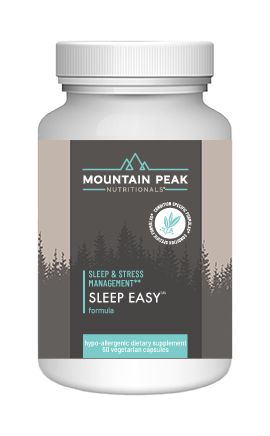
Sleep Easy™
$39.49 — or subscribe to save 10% Add to cart -
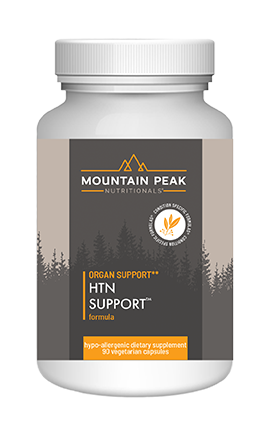
HTN Support™
Price range: $44.49 through $79.99 — or subscribe to save 10% Select options This product has multiple variants. The options may be chosen on the product page -
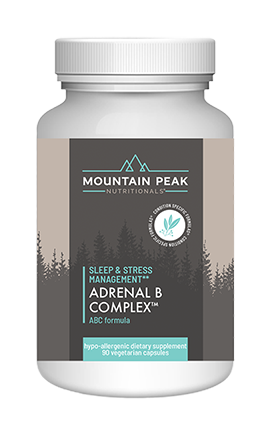
Adrenal B Complex™
$50.49 — or subscribe to save 10% Add to cart -
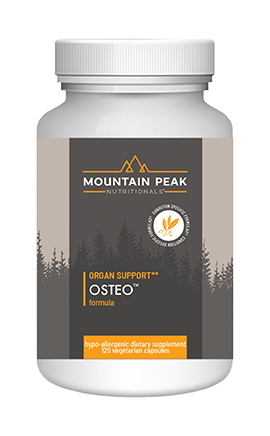
Osteo™
Price range: $35.49 through $62.49 — or subscribe to save 10% Select options This product has multiple variants. The options may be chosen on the product page -
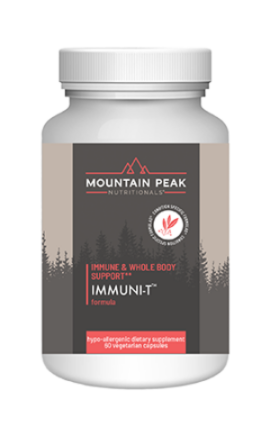
Immuni-T™ — **NEW FORMULA NAME!**
$38.49 — or subscribe to save 10% Add to cart