Discover how to support liver health this summer. Learn about NAFLD, viral hepatitis prevention, best foods, supplements like milk thistle, and simple lifestyle tips backed by science.
What we’re talking about in this article:
- What Does the Liver Do and Why Is It Important?
- Common Liver Diseases and Fatty Liver Disease
- Signs of Poor Liver Health
- What Is Viral Hepatitis?
- Liver Detox Tips and Best Foods for Liver Health
- How to Prevent Viral Hepatitis
- Best Supplements for Liver Health in 2026
July is a month that brings a lot of summer fun and celebration, with outdoor hangouts by the pool, bonfire nights, weddings, and travel. Many adults will enjoy alcoholic drinks, while kids and teens will enjoy juices and sodas during many of these gatherings. Enjoying things that aren’t considered healthy can be done responsibly, but the question here is, how much do we think about our liver health?
What does the liver do?
The liver is a major vital organ that filters and breaks down many chemicals which would normally be harmful to the body, as well as dealing with hormones, cholesterol, blood sugar, protein synthesis, and clearing cell waste, plus it aids in digestion and cleaning up the blood for recirculation. It performs over 500 vital functions, so needless to say, it has to do a lot of work!
What we put into our bodies makes a difference too, from normal daily intakes of foods, prescription medications, over-the-counter medications, and the occasional adult beverage or sugary soda.
Common Liver Diseases
NAFLD or non-alcoholic fatty liver disease is a preventable disease state in which the liver becomes bogged down with fat deposits, often seen in states where the person has blood sugar issues like insulin resistance, pre-diabetes, or diabetes. One of the main culprits here is the body can’t tolerate the amount of sugar, especially fructose (large amounts of isolated fruit sugar, high-fructose corn syrup, agave syrup, and the sugar in sodas and juices).
NAFLD carries a similar preventable course as alcohol related liver disease, as ethanol (the alcohol we consume) has a similar (but worse) effect to fructose, though it has some farther-reaching implications in how it affects our lives. Alcohol causes direct toxic damage to the liver and other organs. Plus, alcohol is usually harder to kick than sugary soda.
Notwithstanding, the liver is damaged, reversibly at first, then over time develops worsening levels of disease with cysts (fluid-filled sacks) and fibrosis (toughened, damaged tissue) that prevent the liver from doing its primary jobs, until cancer eventually forms, in many cases, when left untreated. While fatty liver (steatosis) can be reversed, once fibrosis takes hold, we are much less likely to see improvement.
Signs of Poor Liver Health
Liver disease doesn’t always cause symptoms that can be seen or felt. According to the Mayo Clinic, if there are symptoms of liver disease, they may include:
- Yellowing of the skin and the whites of the eyes, called jaundice. Note: yellowing of the skin might be harder to see on darker skin tones
- Belly pain and swelling
- Swelling in the legs and ankles
- Itchy skin
- Dark or cola-colored urine
- Pale or light yellow stool
- Constant tiredness
- Loss of appetite, nausea or vomiting
- Bruising easily
If any of these symptoms worry you or last a long time, please seek medical help, especially if you have belly pain so bad that you cannot lie still, as this may signal an emergency.
What is Viral Hepatitis?
When it comes to diseases that affect the liver, viruses also come into play. Notably, July 28th is World Hepatitis Day, which is a day for awareness, knowing the facts, and saving lives from viral hepatitis, which is also avoidable.
Hepatitis (inflammation of the liver) is the world’s deadliest communicable disease, taking over 1 million lives annually, worldwide. Viral hepatitis often shows no symptoms until it’s too late. Chronic hepatitis B and C are also the leading causes of liver cancer. But there is hope because, with awareness, hepatitis is preventable and treatable.
We can’t live without our liver, so we should take steps to make sure it lasts our lifetime, and prevention is key. Let’s go over the ways we can improve liver health naturally and help prevent both lifestyle-related and virally caused liver diseases.
Liver Detox Tips: Best Foods & Lifestyle Changes For Liver Health
- Stop drinking alcohol. This one step can really make a huge difference, not just for the liver, but for overall health. Because severe alcohol dependence can be dangerous to stop suddenly, please be sure to work with a professional to come off of it safely if dependence is the problem, and not just occasional or weekly drinking.
- What to do instead: If it is a social or occasional setting, a low-sugar mocktail option, or a sparkling water with a twist of lime may do the trick. If it’s relaxation we’re after, kava root tea and even kava-based non-alcoholic beverage alternatives are available too. Note: kava can also have liver toxicity associated with it in some cases, so use caution with kava as an occasional support to quitting alcohol and only under a doctor’s supervision.
- Stop drinking sugary drinks. Soda pop is one of the main issues for people here, but fruit juice also contains a lot of sugar, with no fiber to slow it down.
- What to do instead: There are many good alternatives that don’t contain artificial sweeteners, like sparkling water with fruit essences, sugarless electrolyte drinks, stevia-sweetened sodas, or just having water or tea with a citrus squeezed in.
- Avoid processed foods and junk. The amount of chemical additives our livers have to process out increases dramatically with a highly processed diet. Convenience in the moment, or a few minutes of delight from the taste of fast food does not compare with a healthy liver that lasts through the years.
- What to do instead: Eat a whole-food-based, nutrient-rich diet. Nutrition is so important for overall health. Protein from animal sources, including meat, poultry, fish, eggs, and dairy, helps our bodies repair, providing essential amino acids for liver function as well. When protein intake is higher (1 g protein per 1 lb fat-free body weight), many people report lower pain scores, improved joint function, better sleep, fewer mood symptoms like anxiety and depression, and more energy throughout the day. This is my experience in clinical settings and peer-reviewed evidence is limited, though more providers are finding this to be the case with their patient population. Note: people with kidney disease need to discuss any increase in protein with their provider.
- Don’t be a couch potato. The portal vein is a huge and important member of the circulatory system, so keeping the blood pumping throughout the body will improve liver function.
- What to do instead: If you’re already sedentary, start with what you can do now. A few minutes a day of walking or body weight exercises like squats and push-ups can go a long way for getting started. Eventually the goal is 30 mins of moderately vigorous activity 5 times per week and 3 days of weight/resistance training. Yoga, Pilates, swimming, and resistance bands are great ways to get movement in with less resistance at the start for less pain.
Prevention, information, and support for viral hepatitis
- Stay up to date on routine liver function testing with your primary care provider.
- Get tested regularly for hepatitis A, B, and C. Because there are often no symptoms for these, especially at the onset, it’s a good idea to talk to your doctor about including these in your routine blood testing, particularly if you are at higher risk of exposure.
- Discuss hepatitis vaccines with your provider and determine the best course of action for you, based on risk vs benefits. Hepatitis A and B have vaccines available and shown to be safe and effective in most cases, though discussion with your provider is necessary.
- There is no vaccine for hepatitis C but it can be cured in most cases using antiviral medications. Hepatitis C is blood-borne and can be transmitted sexually, so prevention through safe practices is key here. There are no early symptoms for this, which is why testing is so important, especially for at-risk populations.
- Check out the World Hepatitis Alliance website here for more information and to take action spreading awareness.
Best Supplements for Liver Health in 2026
- Milk Thistle (Silybum): Widely available herbal supplement that targets liver cells and its active constituent, silymarin, evidence suggests protects liver cell membranes and increases regeneration, reduces liver inflammation, and may improve liver function tests. Milk thistle is able to be grown and harvested at home for seeds, which contain the active ingredient often used for liver health. Just be careful as it is a super-spiny, highly invasive species!
- Alpha-Lipoic Acid (ALA): This nutrient is shown to help our bodies make more antioxidants and is depleted in the liver more rapidly when the liver is under stress. ALA may be taken to improve liver function, according to some studies. It is easy to find in a capsule over the counter, but red meat organs like liver, heart, and kidney, and vegetables like broccoli, tomatoes, and carrots contain a lot of ALA, if you prefer food sources. This is another reason to eat a whole-food-based diet.
- Dandelion (Taraxacum spp): Everyone knows these weeds for taking over the lawn, but did you know the entire plant, from roots to flower heads are not only edible, but are shown in studies to be supportive for liver function? This traditional bitter herb is shown to work by increasing bile flow, which helps the gallbladder too. If you don’t spray your lawn with nasty chemicals, dandelion can be harvested for salads or make into tinctures or teas. It’s also available as a tea or capsule over the counter in the supplement section.
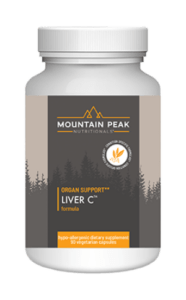
- Liver C Formula: Mountain Peak Nutritionals offers a complete liver support blend called Liver C, which is formulated based on research evidence to support liver health, reduce inflammation, and feed detoxification pathways in the liver. It contains milk thistle, ALA, dandelion, turmeric, artichoke, medicinal mushrooms, and many more synergistic herbs to target and support the liver!
So now, armed with information, you can take steps toward better liver health, not just for you but for your circle of influence. Be sure to discuss any changes with your healthcare team.
If you found this article helpful or insightful in any way, please consider sharing with a friend or loved one. You never know the impact you can have just by spreading a little awareness. We only get one liver; let’s take good care of it!
Note: Consult a healthcare provider for personalized advice. Lifestyle changes (diet, exercise, alcohol/sugar reduction) have the strongest evidence for preventing and managing most liver conditions. This analysis is for informational purposes and not medical advice. The information and supplements discussed here are not intended to treat, cure, prevent, or diagnose any disease or illness and is not as a replacement for medical advice or a doctor-patient relationship. It is for informational purposes only. Any nutritional supplements or changes in diet or lifestyle should be discussed with your doctor before adopting.
Frequently Asked Questions
- Can fatty liver disease be reversed? Early-stage fatty liver (steatosis) is often reversible with lifestyle changes like reducing sugar/alcohol and increasing exercise.
- Is milk thistle good for your liver? Evidence suggests it may help protect liver cells and reduce inflammation, though results vary.
- What foods are bad for your liver? Excessive alcohol, sugary drinks, high-fructose foods, and heavily processed items.
- How can I improve my liver health naturally? Focus on a whole-food diet, regular exercise, limiting alcohol/sugar, and maintaining a healthy weight.
Resources:
- World Health Organization (WHO) – Hepatitis https://www.who.int/health-topics/hepatitis (Global statistics, prevention strategies, and viral hepatitis information)
- World Hepatitis Alliance https://www.worldhepatitisalliance.org/what-is-viral-hepatitis/ (Awareness, facts, and World Hepatitis Day resources)
- American Liver Foundation https://liverfoundation.org/ (Information on NAFLD/MASLD, lifestyle recommendations, and patient support)
- Centers for Disease Control and Prevention (CDC) – Viral Hepatitis https://www.cdc.gov/hepatitis/ (Vaccines, testing guidelines, and U.S. statistics)
- Johns Hopkins Medicine – Liver Anatomy and Functions https://www.hopkinsmedicine.org/health/conditions-and-diseases/liver-anatomy-and-functions (Detailed overview of liver functions)
- Cleveland Clinic – Liver Health https://my.clevelandclinic.org/health/body/21481-liver (Liver functions, diseases, and prevention)
- NIH LiverTox Database (for supplement safety information) https://www.ncbi.nlm.nih.gov/books/NBK548888/ (Evidence-based reviews on herbs and supplements like milk thistle and alpha-lipoic acid)
- Key Review on Fructose and NAFLD Jensen T, et al. (2018). Fructose and sugar: A major mediator of non-alcoholic fatty liver disease. Journal of Hepatology. Available via PubMed: Search “Fructose and sugar: A major mediator of non-alcoholic fatty liver disease”