
More enzymes do not necessarily make a better digestive enzyme supplement.
What matters is whether a formula contains thoughtfully selected enzymes in meaningful activity levels and whether its intended use fits your needs.
This guide explains what to look for, what to question, and how to compare digestive enzyme supplements with confidence, with more on:
- What Digestive Enzymes Do
- 7 Major Types of Digestive Enzymes
- Single-Enzyme or Broad-Spectrum Formula?
- Why Enzyme Activity Matters
- How to Read a Digestive Enzyme Supplement Label
- Supporting Ingredients: Beyond the Enzyme Blend
- When to Consider Digestive Enzymes
- Dietary Restrictions, Allergens, and Individual Suitability
- Quality and Manufacturing Questions Worth Asking
- A 7-Point Digestive Enzyme Checklist
- FAQs
|
Quick Answer: Choose a digestive enzyme supplement by looking for enzymes that correspond to the types of foods you regularly eat. Compare the stated enzyme activity, complete ingredient list, serving directions, and quality information. Before using it, consider your dietary needs, health history, and medications. Consult a qualified healthcare professional when appropriate. |
What Do Digestive Enzymes Do?
Digestive enzymes are specialized proteins that help break food into smaller components the body can absorb and use. Different enzymes act on different nutrients, including carbohydrates, proteins, and fats.
 Because each enzyme has a specific role, “digestive enzymes” refers to a broad category, not one ingredient with a single function.
Generally, digestive enzyme supplements provide additional enzymes alongside those naturally involved in digestion. Formulas vary considerably, however, and are not interchangeable. Over-the-counter supplements also differ from prescription enzyme products used under medical supervision for diagnosed conditions.
Please be aware that persistent, severe, or unexplained digestive symptoms warrant medical evaluation, rather than self-diagnosis or an attempt to mask the symptoms with a supplement.
7 Major Types of Digestive Enzymes
A useful supplement label should clarify what the enzyme blend is designed to break down.
Here are some of the more common enzyme categories.
| Enzyme | Acts On | What That Means |
|---|---|---|
| Protease | Protein | Helps break dietary proteins into smaller peptides and amino acids. It is commonly included in broad-spectrum formulas intended for protein-containing meals. |
| Amylase | Starch | Helps break starches and other complex carbohydrates into simpler sugars that can be absorbed during digestion. |
| Lipase | Fat | Helps break dietary fats into fatty acids and glycerol, allowing them to be absorbed and used by the body. |
| Lactase | Lactose | Helps break down lactose, the sugar naturally present in milk and many dairy products. Its relevance depends on a person’s dairy intake and ability to digest lactose. |
| Cellulase | Plant cellulose | Helps break down cellulose, a structural component of plant foods. The human body does not naturally produce this enzyme, although microorganisms in the digestive tract may help process some cellulose. |
| Maltase / invertase | Specific sugars | Maltase acts on maltose, while invertase helps break sucrose into the simpler sugars glucose and fructose. |
| Phytase | Phytate | Helps break down phytate, a compound found in grains, legumes, nuts, and seeds that can bind certain minerals. It may appear in broad-spectrum or plant-focused formulas. |
The most relevant enzyme depends on what a person regularly eats and hopes to support.
For example, someone focused on digesting dairy should look specifically for lactase, since an otherwise broad enzyme blend may not contain an enzyme that acts on lactose.
Single-Enzyme or Broad-Spectrum Formula?
The choice between a single-enzyme and broad-spectrum supplement largely hinges on the intended use:
- A single-enzyme product focuses on one dietary component. Lactase products, for example, are formulated specifically for lactose-containing foods. This targeted approach may be appropriate when the enzyme and the food it acts on are clearly identified.
- Broad-spectrum formulas combine multiple enzymes to address several components of a meal, such as proteins, fats and carbohydrates. They may be better suited to varied meals, but they require careful label review to understand what each enzyme contributes and whether the overall formula aligns with the intended use.
|
Selection principle: Start with the purpose, then determine the appropriate scope. A targeted formula may be sufficient for one clearly defined need, while a broader blend may offer more relevant coverage for mixed meals. |
Why Enzyme Activity Matters
The amount of an enzyme in a formula does not fully describe what it can do. Enzyme potency is, therefore, often reported using activity units, which indicate how an enzyme performs under defined testing conditions.
Examples include:
- HUT for certain proteases
- DU for amylase
- FIP for lipase
- ALU for lactase
- GDU for bromelain.
Each activity unit applies to a particular enzyme and testing method, so the values cannot be compared directly across enzyme types. Additionally:
- A milligram measurement indicates the weight of the material.
- An activity value provides information about its measured enzymatic action.
When comparing formulas, don’t simply check which label displays the largest number. Beyond that, look at the unit used, the activity stated per serving, and the manufacturer’s directions.
If individual activity values are not disclosed, review the complete label and any supporting information the manufacturer provides. Products using different measurements should not be treated as equivalent without sufficient information to make that comparison.
How to Read a Digestive Enzyme Supplement Label
A digestive enzyme label tends to be most useful when you evaluate the formula as a whole, rather than focusing on a single number or ingredient.
To guide you through the key details, review labels in this order:
- Start with the serving size. Confirm whether the listed amounts represent one capsule, several capsules, or another defined serving.
- Identify the enzymes included. Determine which food components they act on (like protein, fat, starch, or lactose) and whether that coverage aligns with the formula’s intended use.
- Examine how activity is reported. Note the activity units, the amount provided per serving, and whether the label reports each enzyme separately or groups several enzymes into a blend.
- Understand the supporting ingredients. Look for probiotics, acids, botanicals, fibers, or nutrients. Consider the stated purpose of each within the broader formula.
- Review the “Other Ingredients” section. Check the capsule material, fillers, and other components for potential allergens, sensitivities, or overlap with your other supplements.
- Read the directions and warnings. Note when and how frequently to take the supplement, along with any stated precautions. These instructions are essential to evaluating whether the product is suitable for you.
- Assess the practical serving pattern. Use the serving size and servings per container to determine how long the product may last when taken as directed. This can provide a more useful comparison than capsule count alone.
Supporting Ingredients: Beyond the Enzyme Blend
Many digestive supplements contain more than enzymes. Different formulas may also include:
- Probiotics
- Betaine HCl
- Botanicals
- Other ingredients intended to serve complementary roles.

These additions can broaden a formula’s intended purpose, but they also give shoppers more to evaluate.
So, consider why each ingredient is included, whether its amount or activity is disclosed, and how it fits with your health history, medications, and other supplements. Complexity only adds value when the ingredients are relevant to the formula’s purpose and appropriate for the individual.
One way to apply these criteria is to consider a multi-ingredient formula rather than evaluating its enzyme blend alone.
Mountain Peak Nutritionals’ Digestive™ combines enzymes for proteins, fats, carbohydrates, and lactose with probiotics and complementary ingredients intended to support broader digestive wellness.
When to Consider Taking Digestive Enzymes
A digestive enzyme supplement may be worth exploring when you want additional digestive support alongside certain foods or meals.

For example, some people consider exploring digestive supplements when:
- Their meals regularly include a varied combination of proteins, fats, and carbohydrates.
- They want targeted enzyme support for a particular food component, such as lactose.
- Larger or more complex meals are more difficult for them to digest comfortably.
- They are looking for a formula that combines enzymes with probiotics or other digestive-support ingredients.
- A qualified healthcare professional has suggested adding digestive enzymes to their routine.
These circumstances do not mean that a supplement is necessary or appropriate for everyone. Digestive concerns can have many underlying causes, and:
- The appropriate approach will vary by individual.
- Persistent, severe, or unexplained symptoms should be evaluated by a qualified healthcare professional before adding a supplement or changing how one is used.
Dietary Restrictions, Allergens, and Individual Suitability
Even when a formula appears to match your intended use, its complete ingredient profile may not be suitable for everyone. So:
- Check enzyme sources, capsule materials, and other ingredients for potential allergens and compatibility with any dietary restrictions.
- Consult a qualified healthcare professional before use if you are pregnant or nursing, take medications, have a medical condition, or are preparing for a procedure.
Recurring, persistent, or worsening digestive symptoms should also be evaluated by a healthcare professional, rather than addressed through supplementation alone.
Quality and Manufacturing Questions Worth Asking
A label explains what a supplement contains, but evaluating product quality also requires looking at the company behind it. To do that as you compare brands, ask the following questions:
- Does the company clearly explain where and how its supplements are manufactured?
- Does it identify the quality standards or testing procedures applied to its products?
- Are the Supplement Facts, serving directions, and complete ingredient list readily available?
- Can the company answer product-specific questions or provide supporting technical information?
- Are its claims specific, measured, and consistent with the product’s role as a dietary supplement?
Dietary supplements are not reviewed and approved by the FDA for safety and effectiveness before they reach the market. Manufacturers and distributors are responsible for complying with applicable requirements, while product claims must be truthful, adequately supported, and not misleading.
Clear disclosures and responsible claims do not establish that a supplement is right for everyone, but they give consumers better information on which to base a decision.
7-Point Digestive Enzyme Checklist
- Define the food or meal pattern you want the formula to support.
- Match enzyme types to that goal instead of counting ingredients.
- Review activity units and avoid comparing unlike measurements.
- Evaluate the complete formula, including probiotics, acids, botanicals, and other ingredients.
- Confirm serving size, timing, warnings, and servings per container.
- Check suitability for your diet, medications, and health history.
- Choose a company that provides clear labels, realistic claims and accessible product information.
| Ready to compare? Use this checklist alongside the Digestive™ label, or explore Mountain Peak Nutritionals’ gastrointestinal support formulas. |
-
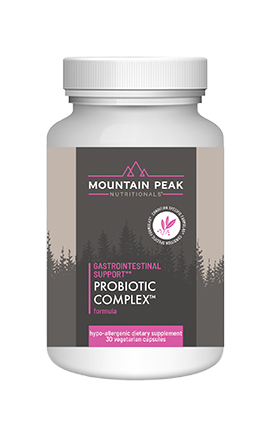
Probiotic Complex™
$50.99 — or subscribe to save 10% Add to cart -
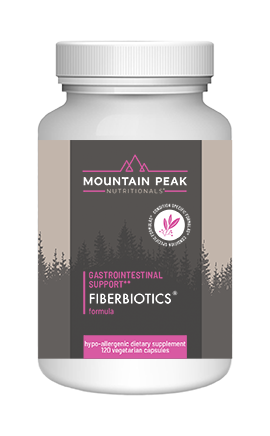
Fiberbiotics®
$40.49 — or subscribe to save 10% Add to cart -
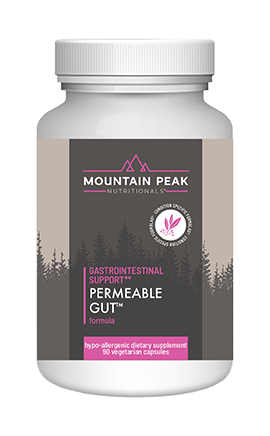
Permeable Gut™
$48.49 — or subscribe to save 10% Add to cart -
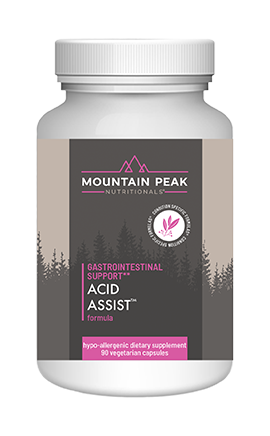
Acid Assist™ — **NEW FORMULA NAME!**
$52.99 — or subscribe to save 10% Add to cart -
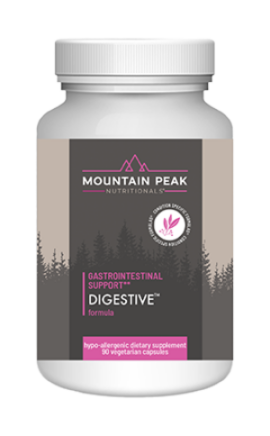
Digestive™
$42.49 — or subscribe to save 10% Add to cart
FAQs
Choose for Fit, Not for the Longest Label
 Choosing a digestive enzyme supplement is not about finding the most ingredients or the largest numbers. It is about understanding what the enzymes act on, how their activity is reported and whether the complete formula aligns with its intended use.
The strongest choice is one you can evaluate clearly, from enzyme coverage and supporting ingredients to serving directions and quality standards. Consider how the formula fits in with your typical meals, dietary needs, health history, and other supplements. Then, follow the label and seek professional guidance when appropriate.
Explore formulas designed to support digestive process and gut health.
|
Disclaimer: These statements have not been evaluated by the Food and Drug Administration. This information is for educational purposes only and is not intended to diagnose, treat, cure or prevent any disease. Consult a qualified healthcare professional before beginning a dietary supplement, particularly if you are pregnant or nursing, take medications, have a medical condition or are preparing for a medical procedure. |