For many of us, Spring inspires a fresh start for our homes and gardens, but what about our guts? When the heavy winter meals and more… indoorsy movement patterns got you pooped, a seasonal gut reset might be just the thing to promote better nutrient absorption, regular bowel movements, and overall vitality.
This guide to spring cleaning for the gut focuses on supporting digestive movement, internal healing, and gut microbiome (trillions of microorganisms living in your digestive tract that influence digestion, immunity, hormones, and mood). By combining whole-food strategies and behaviors with evidence-based support, you can gently encourage balance without extreme measures!
Note: Always discuss any new supplements or major nutrition changes with your healthcare provider to ensure they align with your individual health needs.
Why Gut Health Deserves a Seasonal Refresh
Your gut processes everything you eat, absorbing nutrients while acting as a barrier against unwanted substances.
Did you know the protective gut lining is only one cell layer thick and can be easily damaged by poor lifestyle habits?
Over time, factors like processed foods, stress, or reduced activity can disrupt the microbiome balance, leading to occasional bloating, irregular digestion, fatigue, skin problems, and more.
Gas, bloating, and irregular bowel movements can be the early signs of a “leaky gut,” which means food particles and metabolic waste are going places they shouldn’t!
There is hope, though, because we can repair our gut lining by making simple changes.
Research shows that dietary fiber, hydration, and movement play key roles in maintaining microbial diversity and short-chain fatty acid production (compounds that fuel gut lining cells and reduce inflammation).
A thoughtful spring approach leverages these foundations to clear buildup and restore harmony, much like opening windows after a long winter.
Gut Spring Cleaning Checklist
These foundational strategies emphasize whole foods, consistency, and safety. Implement them gradually over weeks for best results, and monitor how your body responds.
As always, consult your healthcare provider before making changes, especially if you have existing conditions and/or take medications.
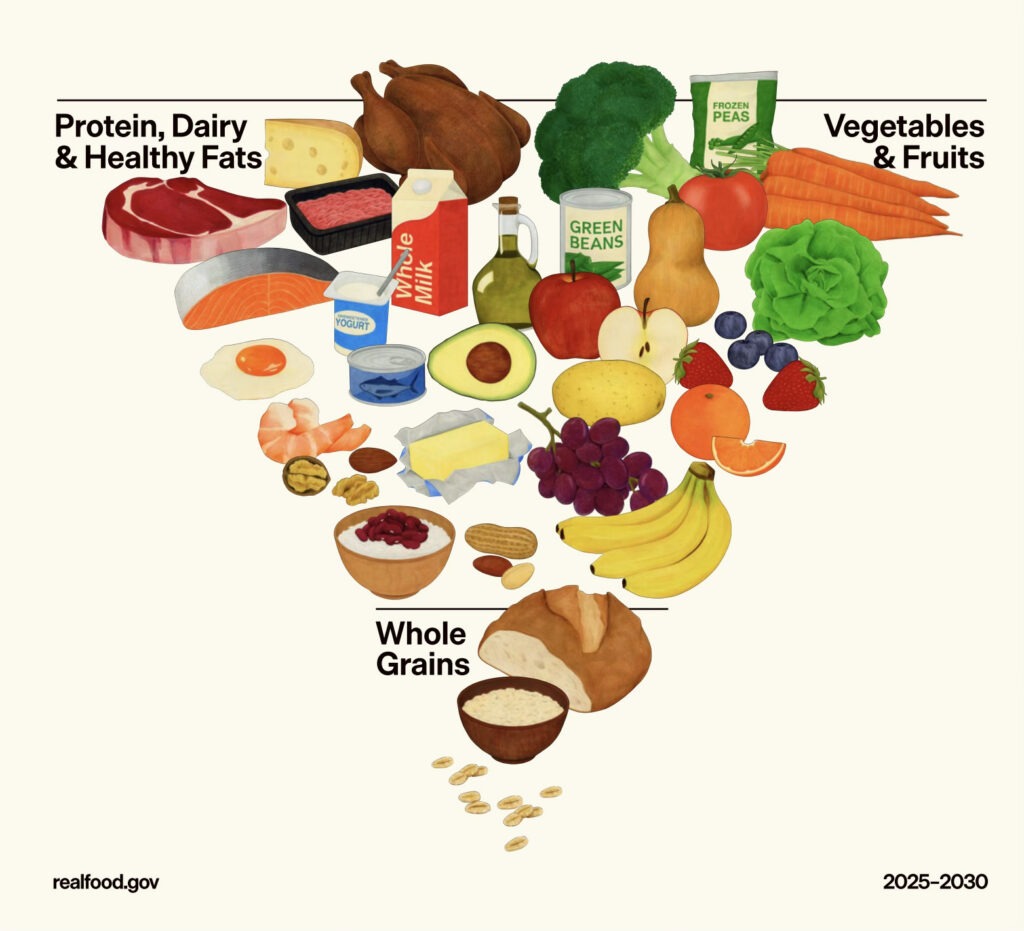
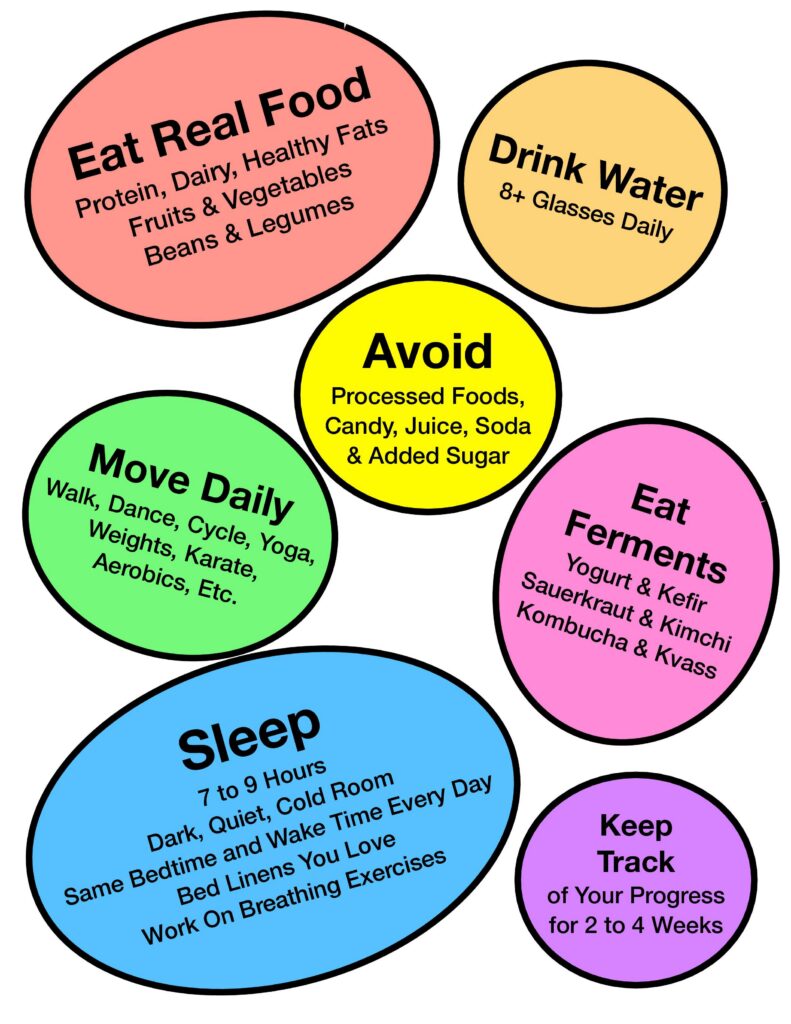 Prioritize whole foods daily: Fill half your plate with colorful vegetables you tolerate. Add low sugar fruits, and some legumes. These provide natural fiber and polyphenols (plant compounds that feed beneficial bacteria) to support microbiome diversity and gentle detoxification pathways. Protein from healthy animal sources like grass-fed beef, wild fish, and pastured eggs add essential amino acids (pieces of whole protein not found in plants) to help feed the gut lining and aid in repair.
- Minimize processed foods and added sugars: Swap packaged snacks for home-prepared options. Reducing these helps limit inflammation and allows beneficial microbes to thrive without competition from less supportive species.
- Increase water intake thoughtfully: Aim for at least eight glasses daily, adjusting upward with activity or fiber intake. Proper hydration softens stool, aids nutrient transport, and prevents constipation that can hinder gut renewal.
- Incorporate daily movement: Walk, garden, or engage in moderate exercise for 30 minutes most days. Physical activity enhances gut motility (the natural wave-like movement that propels contents through the intestines) and promotes microbial variety, as shown in studies linking exercise to improved gut barrier function.
- Add fermented foods gradually: Include small portions of plain yogurt, kefir, sauerkraut, or kimchi several times weekly. These introduce live cultures that complement your existing microbiome without overwhelming it.
- Support sleep and stress management: Aim for seven to nine hours of quality sleep nightly and practice simple breathing exercises. Chronic stress can alter gut permeability (the intestinal lining’s ability to selectively absorb nutrients), so rest helps maintain balance.
- Track progress mindfully: Keep a simple journal of energy levels and digestion for two weeks. This helps identify what works without having to guess!
These steps form the core of sustainable gut health and align with naturopathic principles of using food as medicine, but there are ways to add further support as needed and appropriate. The gut microbiome is like a fingerprint, so everyone will have a similar approach with some fine details that are different.
Targeted Support from Mountain Peak Nutritionals
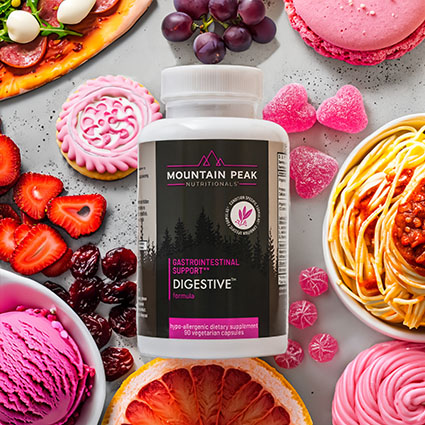
For those seeking additional assistance during a gut reset, professional-grade formulas like those from Mountain Peak Nutritionals can complement lifestyle changes. Two standout options in their Digestive & Gastrointestinal Support line are Digestive Formula and Fiberbiotics.
These products feature researched ingredients that address multiple aspects of digestion, from breakdown and absorption to regularity and barrier support for healing the gut lining discussed earlier. Remember, supplements work best alongside the checklist above, and professional guidance is essential before use.
Digestive Formula
 Digestive Formula provides a comprehensive approach to everyday digestion. Its proprietary enzyme blend (including protease for protein breakdown, amylase for carbohydrates, lipase for fats, plus invertase, lactase, cellulase, maltase, and phytase) helps fully digest meals, reducing occasional post-meal discomfort.
Betaine HCl supplies hydrochloric acid, which is crucial for activating enzymes and absorbing nutrients like vitamin B-12 that pancreatic enzymes alone cannot handle.
A 12-strain probiotic blend (1.5 billion organisms at manufacture, featuring Lactobacillus acidophilus, L. bulgaricus, multiple Bifidobacterium species, L. rhamnosus, L. casei, L. salivarius, L. plantarum, L. paracasei, and Streptococcus thermophilus) replenishes beneficial bacteria to support immune function and limit undesirable microbes.
Gut-soothing demulcents like marshmallow root and slippery elm bark form a protective layer on the gastrointestinal mucosal lining, aiding regeneration and comfort. Taken at one capsule with meals, this formula promotes nutrient absorption and gut flora balance, making it ideal for spring renewal!
Fiberbiotics
 Fiberbiotics targets the “sweeping” aspect of gut cleaning with its proprietary fiber blend (1,960 mg per serving, including organic psyllium husk, flaxseed, oat bran, rice bran, apple pectin, citrus pectin, inulin, prune fiber, and organic guar gum).
These fibers add bulk for regular bowel movements, bind dietary fats to support healthy cholesterol levels, and slow carbohydrate absorption for steadier blood glucose. Inulin acts as a prebiotic, selectively feeding good bacteria to encourage their growth.
The formula also includes a proprietary digestive health blend (410 mg) with organic beet root, fenugreek seed, triphala (a traditional blend that gently promotes cleansing and bile secretion), organic fennel seed, slippery elm bark, aloe vera leaf, marshmallow root, and chlorella. A probiotic blend (600 million CFU from strains like Bifidobacterium lactis, Lactobacillus plantarum, and others) further nurtures microflora.
Usually dosed at three to five capsules daily with plenty of water, Fiberbiotics supports intestinal health, appetite control, and sustainable regularity, complementing whole-food fiber increases.
Embracing a Digestive Season of Renewal
Spring gut cleaning is not about drastic detoxes but consistent, gentle habits that honor your body’s natural rhythms.
By focusing on whole foods, movement, hydration, and microbiome-friendly choices, plus thoughtful supplementation when appropriate, you can experience improved digestion, steadier energy, and greater resilience. Discuss these approaches, including Mountain Peak Nutritionals products, with your healthcare provider to personalize them safely. With informed steps, your gut can emerge refreshed and ready for the season ahead and beyond!
If you found this article helpful, or you think someone else would, please share it! Gut health is so foundational to overall health; it’s something worth talking about and working on.
References
- Hughes RL. Fueling Gut Microbes: A Review of the Interaction between Diet, Exercise, and the Gut Microbiota in Athletes. Adv Nutr. 2021;12(6):2190-2215. https://pmc.ncbi.nlm.nih.gov/articles/PMC8634498/
- Monda V, Villano I, Messina A, et al. Exercise Modifies the Gut Microbiota with Positive Health Effects. Oxid Med Cell Longev. 2017;2017:3831972. https://pmc.ncbi.nlm.nih.gov/articles/PMC5357536/
- Quigley EMM. Prebiotics and Probiotics in Digestive Health. Clin Gastroenterol Hepatol. 2019;17(2):333-344. https://pubmed.ncbi.nlm.nih.gov/30267869/
- Sanders ME, Merenstein DJ, Reid G, Gibson GR, Rastall RA. Probiotics and prebiotics in intestinal health and disease: from biology to the clinic. Nat Rev Gastroenterol Hepatol. 2019;16(10):605-616. https://pubmed.ncbi.nlm.nih.gov/31296969/
- Clauss M, Gérard P, Mosca A, Leclerc M. Interplay Between Exercise and Gut Microbiome in the Context of Human Health and Performance. Front Nutr. 2021;8:637010. https://pmc.ncbi.nlm.nih.gov/articles/PMC8222532/
- Aleman RS, et al. Leaky Gut and the Ingredients That Help Treat It: A Review. Molecules. 2023;28(2):619. doi:10.3390/molecules28020619 https://pmc.ncbi.nlm.nih.gov/articles/PMC9862683/
- Di Vincenzo F, et al. Gut microbiota, intestinal permeability, and systemic inflammation: a narrative review. Intern Emerg Med. 2024;19(2):275-293. https://pubmed.ncbi.nlm.nih.gov/37505311/ (full text often available via PMC)