6 Tips for Incorporating Supplements into your Daily Routine

How to Incorporate Supplements into a Daily Routine: 6 TipsAre you looking to enhance your wellness routine?

Considering adding supplements to your daily regimen? In this blog post, we’ll share straightforward tips to help you smoothly incorporate supplements into your day-to-day life.

Whether new to supplements or looking to optimize your intake, these practical suggestions will guide you toward a healthier, more balanced lifestyle.

Here are 6 helpful tips to get you started on introducing supplements to your daily routine. 

  1. Follow the recommended dosage. All supplements can have different dosages. Some supplements you only take one at a time while others might suggest differently. When introducing new supplements into your routine make sure you are following the dosage indicated on the bottle unless you are otherwise advised by a healthcare provider. Taking more supplements than suggested can be harmful and taking too little might not produce as effective results.
  2. Be consistent. One way to help ensure you are incorporating supplements into your daily routine is by taking them at the same time each day. A helpful tip is to set a notice on your phone to remind you each day when to take your supplements. Following this can help your supplement routine become a healthy habit.
  3. Take them at the right time. Finding the right time to take your supplements is another crucial tip. Some supplements are best taken with food, while others are more effective on an empty stomach. Be sure to read the instructions on the label or ask a healthcare provider for more guidance.
  4. Be patient. You might not notice the effects of your supplements immediately. It may take some time to notice the effects as often they work gradually. As long as you are consistent with your routine you should be able to notice more results over time. It is also important to monitor how your body responds to the supplements over time. If you see no results or experience any adverse effects be sure to pause your supplement use and contact your healthcare provider on the next steps.
  5. Consult your healthcare provider. It is always important to talk to a healthcare provider or a registered dietician before you start adding any new supplements to your routine. They can help to provide personalized advice based on your individual needs and current health status.
  6. Choose high-quality supplements. When it comes to what you are putting in your body, quality matters. Be sure to choose high-quality supplements from reputable brands to ensure safety and effectiveness. You can also look for third-party certifications or seals of approval to verify their quality. At Mountain Peak Nutritionals it is our mission to support targeted health goals with our Condition Specific Formulas®: the highest quality nutritional supplements combining the most pure, bioavailable, and clinically proven ingredients.

Incorporating supplements into your daily routine can be a positive step towards supporting your overall health and well-being. By following the tips mentioned in this post, you can make informed decisions about which supplements may benefit you in your daily life.

Men’s Health Misconceptions

5 Men’s Health Misconceptions & Myths


When it comes to men’s health there can often be a lot of misconceptions and stereotypes, causing misinformation about men’s health to spread. Taking a look at your own health it is important to understand the truth instead of making general assumptions. This Men’s Health Month you can learn more about men’s health by focusing on the facts rather than the common assumptions and stereotypes. Here is a list of five common misconceptions about men’s health compared to the factual information.

Misconception #1: Men are not at risk of getting breast cancer.

Fact: A lot of people think that it is impossible for men to get breast cancer. While it is uncommon, it is not impossible. There are a number of risk factors that increase a man’s change of getting breast cancer. Some of these risk factors include family history, obesity, genetic conditions, and age.

Misconception #2: Men are naturally stronger and healthier than women.

Fact: It is commonly believed that men are stronger and healthier than women. While men may have certain physiological advantages in strength and muscle mass, this does not mean that they are healthier. Men are not immune to health issues such as heart disease, cancer, or diabetes.

Misconception #3: Only older men need to worry about prostate cancer.

Fact: Prostate issues, including cancer, can affect men of all ages. Men are commonly diagnosed with prostate cancer in their 60s however younger men can still be affected. It is better to be aware early on as early detection and treatment can help to improve outcomes.

Misconception #4: Men do not experience mental health issues.

Fact: Mental health disorders affect both men and women. There is a stigma that men need to be tough and should not show their emotions. This stigma can prevent men from seeking help for depression, anxiety, or any other mental health disorders they may be dealing with.

Misconception #5: Men do not need to worry about osteoporosis.

Fact: Osteoporosis is often seen as a women’s health issue. While it is more common for women to have osteoporosis than men, it still happens. Men might develop weak bones as they age, especially if they have low testosterone levels or other risk factors.

By dispelling myths and encouraging open conversations, men feel more empowered to focus on their well-being and seek medical advice in a timely manner. Let’s continue to challenge stereotypes by focusing on the facts. Empowering men to take control of their health should be important not just Men’s Health Month but everyday.

6 Helpful Ingredients for Men’s Health

June marks Men’s Health Month, a time to prioritize men’s wellness and vitality! Here is a list of 6 helpful ingredients that support men health:6 Helpful Ingredients for Men’s Health | Men's Vitality

  1. Zinc: Zinc is a mineral that supports immune system and hormone function. With zinc being involved in hundreds of the body’s metabolic enzymes it plays a large role in men’s health. This supplement can support muscle mass and promote fertility in men. A deficiency in zinc may result in lower testosterone levels and sperm counts.
  2. Muira Puama: Found in the Amazon forest, muira puama is often used to support healthy sexual activity. This plant can promote healthy libido and support the body’s natural sexual function. Muira puama also promotes the growth of neurons which supports memory and the learning process.
  3. Ashwagandha: Ashwagandha offer’s several benefits for men’s health. By supporting healthy cortisol levels this supplement can support stress management and promote healthy cognitive function. Ashwagandha also can have a positive impact on men’s reproductive health.
  4. Stinging Nettle Root: Stinging nettle root is another supplement that has been shown to support men’s reproductive health. This plant promotes healthy sex hormone activity while also supporting the immune system.
  5. Saw Palmetto: Saw palmetto’s primary mode of action involves promoting healthy testosterone metabolism. This supplement has also been used to support healthy prostate and urinary function.
  6. L-Arginine: Finally, L-arginine is an amino acid used to assist in protein synthesis. This supplement is best known for its role in the function of the vascular system. As a result, L-arginine may promote healthy blood flow and pressure.

Ultimately, investing in your well-being through the right supplements, alongside healthy lifestyle habits, sets the foundation for a stronger, happier you. Happy Men’s Health Month from Mountain Peak Nutritionals!

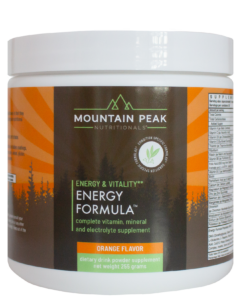
The Best Supplements for an Energy Boost

When seeking supplements for energy, it’s essential to prioritize ones that are safe, effective, and complement a healthy lifestyle. While supplements can provide a boost, it is also important to ensure you are getting proper nutrition, hydration, exercise, and adequate sleep. When it is time for that extra boost, here are seven of the best supplements known for their energy-boosting properties:

  1. B Vitamins: B vitamins, including B1 (thiamine), B2 (riboflavin), B3 (niacin), B5 (pantothenic acid), B6 (pyridoxine), B7 (biotin), B9 (folate), and B12 (cobalamin), play crucial roles in energy metabolism. These vitamins help convert food into energy and support overall cellular function. B Vitamins can be naturally found in meat, fish, and dairy products.
  2. Iron: Iron is essential for transporting oxygen throughout the body, which is crucial for energy production. A deficiency in iron can lead to fatigue and decreased stamina. Iron can be naturally found in meat, poultry, and seafood. So, it is especially important for individuals who are vegetarian or vegan to ensure adequate iron intake.
  3. Coenzyme Q10 (CoQ10): CoQ10’s primary functions include activity as an antioxidant, a membrane stabilizer, and as a cofactor in many metabolic pathways, particularly in the production of adenosine triphosphate (ATP) in oxidative respiration. This enzyme can be found in almost every cell in the body and helps convert food into energy.
  4. Rhodiola Rosea: Rhodiola is an adaptogenic herb known for its ability to increase resistance to stress and fatigue. Adaptogens such as rhodiola rosea are plants and mushrooms that help the body respond to anxiety, stress, and overall well being. Rhodiola supplements typically contain standardized extracts of the herb’s root.
  5. Ashwagandha: Another adaptogenic herb, ashwagandha, has been traditionally used in Ayurvedic medicine to improve energy levels, reduce stress, and promote overall well-being. It may help increase stamina, endurance, and vitality.
  6. L-theanine: Found naturally in tea leaves, L-theanine is an amino acid known for its calming effects. When combined with caffeine, it can improve focus, attention, and energy without causing the jittery feeling associated with caffeine alone.
  7. Magnesium: Magnesium is involved in over 300 biochemical reactions in the body, including energy production and muscle function. Supplementing with magnesium may help reduce fatigue, improve exercise performance, and support overall energy levels. Magnesium can naturally be found in foods such as nuts, seeds, and legumes.

Remember to consult with a healthcare professional before adding any new supplements to your regimen, especially if you have any underlying health conditions or are taking other medications. You can find out which of our Mountain Peak Nutritionals products have these key supplements by putting the ingredient you are looking for in the search bar on our website. We want to help you stay active and healthy, ready to conquer your day!