
With more people talking about Epstein-Barr virus reactivation and mono lately, it is easy to feel concerned. The good news is that EBV is extremely common, most people live with it for life without major problems, and there are practical, natural ways to support your immune system, reduce the chance of symptomatic reactivation, and feel your best.
This guide explains EBV in simple terms, covers how it spreads, what to do if symptoms appear, and how a whole-foods, high-protein, lower-carb, no-sugar lifestyle plus targeted supplements can help you feel your best for years to come! Let’s dive in…
Quick Facts and Takeaways
- More than 90 percent of adults worldwide carry EBV for life, yet most people never experience major issues from it.
- The vast majority of first-time infections cause no symptoms at all, especially in children.
- When symptoms do appear (as mono), they are usually mild to moderate and resolve with supportive care.
- Reactivation is common but often silent or very mild if your immune system stays strong.
- Simple daily habits like a whole-foods, high-protein, lower-carb, no-sugar diet plus regular movement and targeted supplements can help keep the virus quiet.
- Serious complications are rare in otherwise healthy people, and you can still age gracefully with high energy and quality of life.
- Knowledge plus natural immune support turns EBV from a source of worry into something you can easily manage.
What Is EBV?
Epstein-Barr virus, also known as human herpesvirus 4 (HHV-4), is the virus that causes infectious mononucleosis (often called mono). Most primary EBV infections happen without any noticeable symptoms, especially in young children.
Once the virus enters the body, it stays there in a dormant (inactive) state for life in the vast majority of people. Reactivation can occur from time to time, but it is usually mild or silent unless the immune system is under extra stress.
How Do People Get EBV?
EBV spreads mainly through saliva, which is why it is sometimes called the “kissing disease.” You can pick it up by sharing drinks, utensils, or through close contact with someone who is shedding the virus even if they feel fine. The virus can live in saliva for weeks to months after the first infection and then intermittently for life. It is not highly contagious like the flu and does not spread in big outbreaks. Other less common ways include blood transfusions or organ transplants, but these are rare.
If you or someone in your household has an active infection, simply avoid sharing cups, forks, or anything that touches saliva. Cover coughs and sneezes and wash hands regularly. Athletes or anyone in contact sports should get cleared by a clinician before returning to activity. A minimum of three weeks plus full resolution of any spleen enlargement is the usual guideline to lower the very small risk of splenic rupture.
What Should You Do If You Get EBV?
Most cases of primary EBV infection are mild and self-limiting. Focus on supportive care that fits your natural-health lifestyle:
- Stay well hydrated with water, herbal teas, or electrolyte drinks made from natural ingredients and food sources.
- Rest when your body asks for it, but gentle movement like walking can support circulation once you feel up to it.
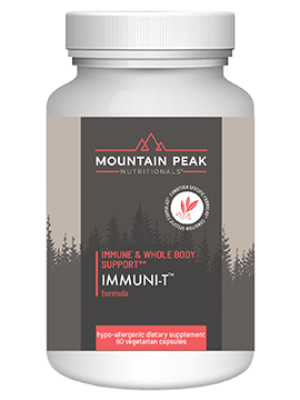
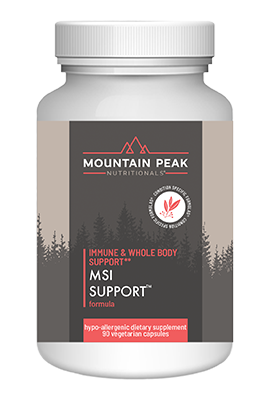
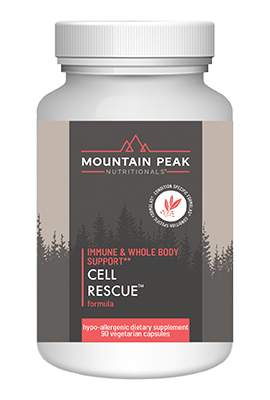
- Use natural pain and immune support. Conventional options include NSAIDs or sometimes the antiviral valacyclovir, but many people prefer targeted supplements such as L-lysine (1 to 8 grams per day divided into doses during active symptoms) because it can help limit viral replication. Mountain Peak Nutritionals’ Immuni-T, MSI Support, and Cell Rescue formulas are also popular choices in the natural-health community for immune and cellular support during this time.
- No need to isolate completely, but avoid sharing saliva-containing items to protect others.
Note especially for teens in sports: Splenomegaly (enlarged spleen) can happen in the first few weeks. Skip strenuous exercise or contact sports for up to eight weeks until symptoms fully subside and, if you are an athlete, your doctor may order a follow-up abdominal ultrasound to clear you for return to sports.
How Common Is EBV?
Extremely common. More than 90 percent of the world’s population carries lifelong EBV infection. In the United States, about 50 percent of people have been exposed by age five, and roughly 90 percent are positive by age 25. In childhood, the infection is usually silent or very mild.
Symptoms tend to show up more noticeably in teenagers and young adults. In places with excellent hygiene, the first encounter may be delayed until adolescence or early adulthood, which is why mono is more talked about in those age groups.
What Is Infectious Mononucleosis and What Are the Symptoms?
Infectious mononucleosis (mono) is the classic illness caused by EBV. It was first described in 1889 as “acute glandular fever.” Typical signs include:
- Swollen lymph nodes
- Fever
- Fatigue
- Sore throat
- Sometimes mild liver or spleen enlargement.
Symptoms are usually most noticeable in adolescents and young adults. Young children under four often have few or no clear symptoms. Fatigue is the symptom that can linger the longest, but most people recover fully within weeks to a few months without hospitalization and no further complications.
What Triggers EBV Reactivation?
Two key factors that can wake up dormant EBV are hypoxia (low oxygen delivery to tissues) and reactive oxygen species (ROS), which are unstable molecules produced during stress, illness, or inflammation and the reason we eat antioxidant-rich foods! Anything that taxes the immune system, such as poor sleep, high sugar intake, or chronic stress, can play a role in reactivation.
How to Prevent Reactivation or Reduce Its Severity
The best defense is a strong, balanced immune system supported by the same habits you already love: whole foods, high protein, lower carbs, and no added sugar.
Here is how to put it into action:
- Eat plenty of antioxidant-rich foods such as dark berries, colorful vegetables, and vitamin C sources to neutralize ROS.
- Stay active with regular physical activity that supports circulation and oxygen delivery without overdoing it.
- Keep blood sugar stable with your high-protein, low-sugar approach, because excess sugar can dampen immune function.
- Prioritize sleep, stress management, and consistent healthy routines to keep the immune system resilient.
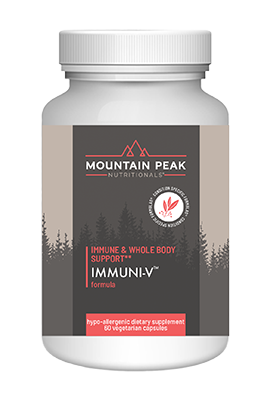
- For extra daily support, many in the natural-health community turn to Mountain Peak Nutritional Immuni-V formula, designed to help maintain immune balance and increase helpful antioxidants that gobble up ROS.
Potential Complications of EBV
Most healthy adults and teens recover fully from EBV with no lasting issues. The body handles initial infection or reactivation quietly, and complications are uncommon when your immune system is strong. Most resolve on their own or with simple supportive care.
Short-term issues during or right after mono
An enlarged spleen occurs in about half of mono cases, but splenic rupture is rare (0.1–0.5%). Avoid strenuous activity or contact sports for the first 3–8 weeks as a precaution. This is especially important for tweens and teens in sports programs.
Mild liver inflammation or temporary blood changes usually clear up in 2–3 months.
Airway obstruction from swollen tonsils or other rare issues (heart or pancreas inflammation, certain blood disorders) affect fewer than 1–3% of healthy people and typically improve quickly.
Neurological concerns
Neurological symptoms are uncommon, usually mild, and short-lived, especially in children. Permanent effects are rare in otherwise healthy adults.
Lingering fatigue
Fatigue is the most common after-effect. It often fades in weeks to months, though 9–12% of people may feel it longer (sometimes 1–2 years, more often in women). This post-EBV fatigue is separate from chronic fatigue syndrome. A high-protein, nutrient-dense diet, stable blood sugar, gentle activity, and stress management can all help restore energy.
FYI: Longer-term associations you should know about
EBV is linked to certain cancers (such as some lymphomas, nasopharyngeal cancer, and a small subset of stomach cancers) and a few autoimmune conditions, including multiple sclerosis (MS) and systemic lupus erythematosus (lupus).
In genetically susceptible individuals, the virus can act as a trigger through mechanisms like molecular mimicry (where parts of the virus look similar to the body’s own tissues) and by reprogramming certain immune cells called B cells.
Example: Recent research shows that people with lupus have about 25 times more EBV-infected B cells than healthy individuals, and a key EBV protein (EBNA2) can “switch on” genes that promote autoimmune activity. A similar strong link exists with MS, where EBV infection can raise the risk up to 32-fold in some studies.
These outcomes remain relatively uncommon overall. EBV contributes to only about 0.5 percent of adult cancers in the United States, and the vast majority of people who carry the virus (more than 90 percent of adults) never develop an autoimmune disease or cancer related to EBV. Genetics, lifestyle, and other environmental factors usually play bigger roles.
Supporting your immune system with a whole-foods, high-protein, lower-carb, no-sugar diet, regular physical activity, antioxidant-rich foods, stress management, and targeted supplements like Mountain Peak Nutritionals Immuni-V can help keep the virus in its dormant state and promote long-term resilience.
How Mountain Peak Nutritionals Immune Support Supplements May Help
At the end of the day, your daily choices matter most, and high-quality supplements can fill targeted gaps. Mountain Peak Nutritionals offers several formulas that many natural-health enthusiasts use alongside their whole-foods lifestyle:
- Immuni-T is often chosen during active symptoms for broad immune and antiviral-type support.
- MSI Support and Cell Rescue provide additional cellular and immune resilience when the body is working hard and experiencing aches and pains.
- Immuni-V is a favorite for everyday prevention and maintenance to help keep reactivation risk low.
Always check with your healthcare provider to make sure these fit your individual needs, especially if you take medications or have specific health conditions.
You have the power to support your immune system and keep EBV in check with a few basic principles of natural health: nutrient-dense eating, regular activity, stress balance, and smart supplementation.
If this article helped ease your mind or gave you practical steps, please share it with friends, family, or anyone in your natural-health community who wants to prevent disease!
References:
- Centers for Disease Control and Prevention. (2024). About Epstein-Barr virus (EBV). https://www.cdc.gov/epstein-barr/about/index.html
- Fugl, A., & Gjerdrum, L. M. R. (2019). Epstein-Barr virus and its association with disease. *Clinical and Experimental Immunology, 195*(1), 1–13. https://pmc.ncbi.nlm.nih.gov/articles/PMC6518816/
- Hoover, K., & Higginbotham, K. (2023). Epstein-Barr virus. In *StatPearls*. StatPearls Publishing. https://www.ncbi.nlm.nih.gov/books/NBK559285/
- Sausen, D. G., Bhutta, M. S., & Jones, J. B. (2021). Stress-induced Epstein-Barr virus reactivation. *Biomolecules, 11*(9), 1380. https://doi.org/10.3390/biom11091380
- Sureshbabu, J. (2024). Pediatric mononucleosis and Epstein-Barr virus infection: Practice essentials, background, pathophysiology. *Medscape*. https://emedicine.medscape.com/article/963894-overview
- Wang, Y., Yu, J., & Pei, Y. (2024). Identifying the key regulators orchestrating Epstein-Barr virus reactivation. *Frontiers in Microbiology, 15*, Article 1505191. https://doi.org/10.3389/fmicb.2024.1505191
- American Cancer Society. (2024). What is Epstein-Barr virus and how can it impact cancer risk? https://www.cancer.org/cancer/latest-news/what-is-epstein-barr-virus-and-how-can-it-impact-cancer-risk.html
- Infectious Disease Advisor. (2025). Epstein-Barr virus: Diagnosis & disease information. https://www.infectiousdiseaseadvisor.com/ddi/epstein-barr-virus/
- Younis, S., et al. (2025). Epstein-Barr virus reprograms autoreactive B cells as antigen-presenting cells in systemic lupus erythematosus. Science Translational Medicine, 17(eady0210). https://www.science.org/doi/10.1126/scitranslmed.ady0210
- Lanz, T. V., et al. (2022). Clonally expanded B cells in multiple sclerosis bind EBV EBNA1 and GlialCAM. Nature, 603, 321–327. https://www.nature.com/articles/s41586-022-04432-7 (the landmark MS study)
- Robinson, W. H., & Steinman, L. (2024). Epstein–Barr virus as a potentiator of autoimmune diseases. Nature Reviews Rheumatology, 20, 729–740. https://www.nature.com/articles/s41584-024-01167-9