Glaucoma Awareness Month: Natural Ways to Support Eye Health and Healthy Eye Pressure
It’s time to don your green ribbons because January is Glaucoma Awareness Month! By reading this article, you will be better equipped to educate and empower yourself and your community about protecting one of our favorite senses, eyesight!
So, what is glaucoma? Glaucoma is an increased pressure inside the eye and is one of the leading causes of irreversible vision loss worldwide, and it often develops without early warning signs. While medical diagnosis and treatment are essential, many health-conscious folks are also looking for natural ways to support eye health and maintain healthy eye pressure.
One of the challenges with glaucoma is that it often has no noticeable symptoms in its early stages, which is why it is frequently called the “silent thief of sight.” Most people do not feel pain or vision changes at first. As glaucoma progresses, subtle warning signs may include gradual loss of peripheral (side) vision, difficulty adjusting to low light, blurred vision, or seeing halos around lights.
In less common forms, such as acute angle-closure glaucoma, symptoms can be sudden and severe and may include eye pain, headache, nausea, vomiting, and rapid vision changes. Because early glaucoma is usually asymptomatic, routine eye exams remain the most reliable way to detect problems before significant vision loss occurs.
You may be asking, “can glaucoma be cured?” While natural and lifestyle strategies cannot cure glaucoma or replace prescribed treatment, research shows they may help support circulation, antioxidant defenses, and optic nerve health. When used responsibly, these approaches can complement conventional care and support long-term eye wellness. If caught early enough through regular eye exams, glaucoma does not have to end in permanent damage or blindness.
Below are practical, evidence based steps you can take at home to support healthy eyes and help maintain normal intraocular pressure.
Tips to Support Eye Health Naturally
Schedule regular eye exams
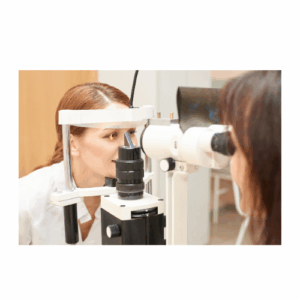
Early detection is one of the most important factors in protecting vision. Even without symptoms, routine eye exams allow for monitoring eye pressure and optic nerve health over time.
Eat a nutrient-dense diet for eye health
A whole-foods diet rich in leafy greens, colorful vegetables, berries, and healthy fats provides antioxidants that help protect eye tissues from oxidative stress. Nutrients such as lutein, zeaxanthin, flavonoids, and polyphenols are strongly associated with better eye health.
Support healthy circulation through daily movement
Regular moderate exercise, such as walking, calisthenics, or cycling, supports blood flow throughout the body, including circulation to the eyes. Healthy ocular blood flow is important for nourishing the optic nerve. Sauna and other heat therapies are excellent tools to increase blood flow to the brain and improve blood pressure, which may contribute to healthier eyes. Be sure to consult your provider before starting a sauna routine!
Manage stress and prioritize restorative sleep
Chronic stress and poor sleep can affect vascular health and nervous system balance. Practices like meditation, focused breathing exercises, gentle stretching, yoga, massage therapy, and consistent sleep schedules support overall wellness and may indirectly benefit eye health.
Stay hydrated and moderate caffeine intake
Adequate hydration supports healthy circulation. Some people experience temporary increases in eye pressure after high caffeine intake, so moderation based on personal tolerance is recommended. Drinking a big glass of water with a pinch of pink salt right when you wake up is a fantastic way to start your day, wake up, and get things moving.
Include omega-3 fatty acids regularly
Omega-3 fats support vascular health and inflammation balance. These healthy fats play a role in eye comfort and overall visual function and are found in fatty fish like sardines, mackerel, and wild salmon, as well as high-quality omega-3 supplements like fish oil or krill oil. A high level of EPA and DHA are important to look for when evaluating a quality fish oil supplement. DHA is especially necessary for eye function and may also help with dry eye prevention.
Consider targeted eye health supplements
Eye-specific nutritional supplements can complement a healthy diet. Mountain Peak Nutritionals Ocular Formula is an example of a comprehensive eye support supplement containing bilberry extract, lutein, zeaxanthin, ginkgo biloba extract, grape seed extract, and other antioxidants formulated to support eye tissue health and visual function.
Explore herbs traditionally used for supporting eye pressure
Several herbs are studied for their antioxidant and circulatory benefits related to eye health. Ginkgo biloba supports blood flow and antioxidant activity, including circulation to the optic nerve. Bilberry contains anthocyanins that support retinal health and visual performance. Baicalein, a compound from Chinese skullcap, has shown early research interest for neuroprotective and eye pressure–supportive mechanisms.
Reduce daily eye strain and protect your eyes
Wear UV-protective sunglasses when outdoors in bright light for long periods, take regular breaks from screens, and ensure proper lighting when reading or working. Morning and evening light are supportive for sleep-wake cycles, so don’t wear sunglasses during those lower light hours. Reducing eye strain supports overall visual comfort.
Avoid smoking and support cardiovascular health
This may be obvious, but smoking increases oxidative stress and damages blood vessels. If you smoke, dropping the habit is one of the best things you’ll ever do for your health! Supporting heart and blood vessel health through lifestyle choices benefits the eyes and optic nerve as well.
Natural Eye Health Support and Glaucoma
Research into natural glaucoma support continues to grow, especially in areas related to antioxidants, circulation, and neuroprotection. While no natural remedy can replace glaucoma medications or procedures, supporting eye health through nutrition, herbs, and lifestyle may help protect vision over time.
Glaucoma Awareness Month is a great reminder that small, consistent habits can make a meaningful difference over time. Whether it is scheduling your next eye exam, adding more eye-supportive foods to your meals, or learning about targeted nutritional support, taking a proactive approach helps protect your vision for the long term. If you have concerns about eye pressure or vision changes, consider having a conversation with your eye care provider about how natural lifestyle strategies can be incorporated with your health goals and conventional care. Giving your eyes thoughtful support is an investment in your quality of life so you can see a brighter future!
As with any new health routine, anyone with glaucoma or elevated eye pressure should discuss supplements and lifestyle changes with their eye care provider to ensure safety and proper integration with medical treatment.
References
- The Role of Diet in Glaucoma: A Review of the Current Evidence
https://www.ncbi.nlm.nih.gov/pmc/articles/PMC5997592/ - Lifestyle Modification as Complementary Medicine in Glaucoma
https://www.ncbi.nlm.nih.gov/pmc/articles/PMC12096890/ - Evidence for Complementary and Alternative Therapies to Treat Glaucoma
https://pubmed.ncbi.nlm.nih.gov/36469549/ - Nutraceuticals and Neuroprotection in Glaucoma
https://pubmed.ncbi.nlm.nih.gov/41280204/ - Ginkgo biloba and Its Potential Role in Glaucoma
https://pubmed.ncbi.nlm.nih.gov/29206653/ - Herbal Medicines in Glaucoma Treatment
https://pubmed.ncbi.nlm.nih.gov/32607093/ - Anthocyanins and Visual Function: A Review
https://pubmed.ncbi.nlm.nih.gov/22870951/ - Dietary Factors and the Risk of Glaucoma
https://www.ncbi.nlm.nih.gov/pmc/articles/PMC4049126/ - Nutritional Supplementation in the Treatment of Glaucoma
https://pubmed.ncbi.nlm.nih.gov/30296451/
Oxidative Stress and Neurodegeneration in Glaucoma
h